黑洞
黑洞基础知识
黑洞
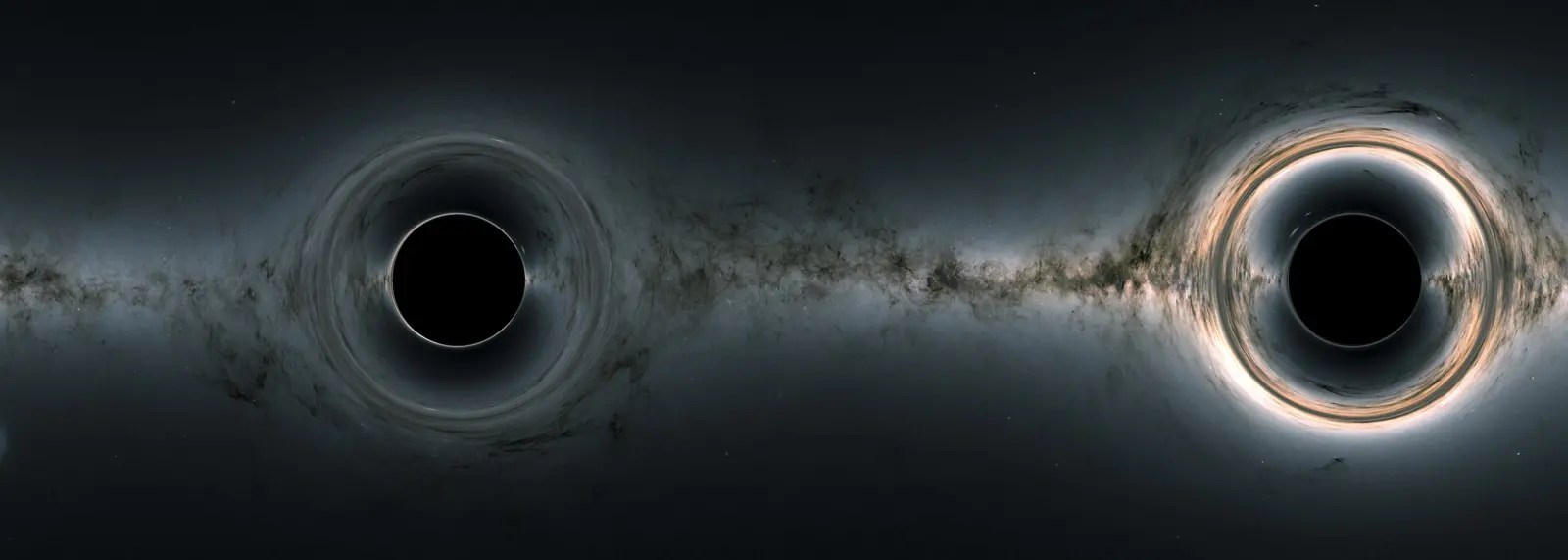
黑洞是宇宙中最神秘的天体之一,人们对它研究很多,却还没有完全弄明白。这些天体其实并不是真正的“洞”,而是把大量物质压缩进极小空间形成的巨大聚集体。黑洞的密度极高,以至于它表面(也就是事件视界)之下的引力强到任何东西——甚至连光——都无法逃脱。事件视界并不是像地球表面甚至太阳表面那样的表面,而是一条边界,里面包含着构成黑洞的全部物质。
关于黑洞,我们还有很多不知道的东西,比如事件视界内部物质是什么样子。不过,科学家对黑洞已经了解了很多。

Finding Black Holes
Black holes don’t emit or reflect light, making them effectively invisible to telescopes. Scientists primarily detect and study them based on how they affect their surroundings:
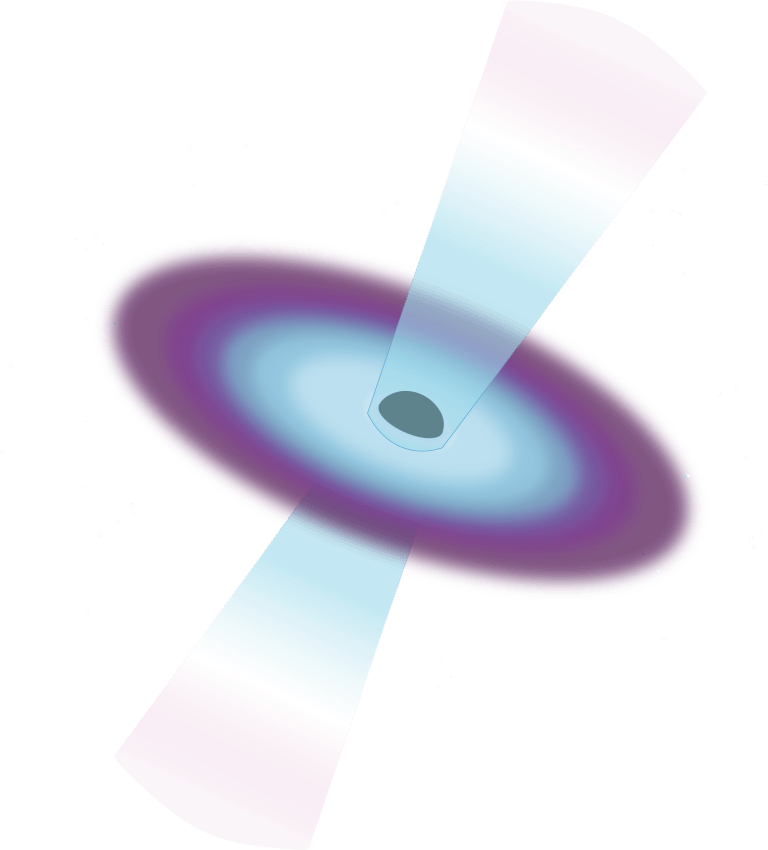
- Black holes can be surrounded by rings of gas and dust, called accretion disks, that emit light across many wavelengths, including X-rays.
- A supermassive black hole’s intense gravity can cause stars to orbit around it in a particular way. Astronomers tracked the orbits of several stars near the center of the Milky Way to prove it houses a supermassive black hole, a discovery that won the 2020 Nobel Prize.
- When very massive objects accelerate through space, they create ripples in the fabric of space-time called gravitational waves. Scientists can detect some of these by the ripples’ effect on detectors.
- Massive objects like black holes can bend and distort light from more distant objects. This effect, called gravitational lensing, can be used to find isolated black holes that are otherwise invisible.
黑洞并不是……
- 虫洞。它们不会在不同空间点之间提供捷径,也不是通往其他维度或宇宙的入口。
- 宇宙吸尘器。黑洞不会吸入其他物质。从足够远的地方看,它们的引力效应与其他同等质量的物体完全相同。
NASA
黑洞的基本事实
- 01 最近的 已知最近的黑洞名为 Gaia BH1(盖亚 BH1),距离约 1,500 光年。
- 02 最远的 已探测到的最遥远黑洞位于名为 QSO J0313-1806 的星系中心,距离约 130 亿光年。
- 03 最大的 已观测到的质量最大的黑洞 TON 618,其质量高达太阳质量的 660 亿倍。
- 04 最小的 已知最轻的黑洞仅为太阳质量的 3.8 倍,它与一颗恒星组成双星系统。
- 05 意面化 这是一个真实术语,描述物质过于靠近黑洞时发生的情况:它在水平方向被挤压、在垂直方向被拉伸,形似面条。
- 06 自转 所有黑洞都在自转。已知自转最快的黑洞名为 GRS 1915+105,每秒旋转超过 1,000 圈。
- 07 粒子加速器 星系中心的巨型黑洞能将粒子加速到接近光速。
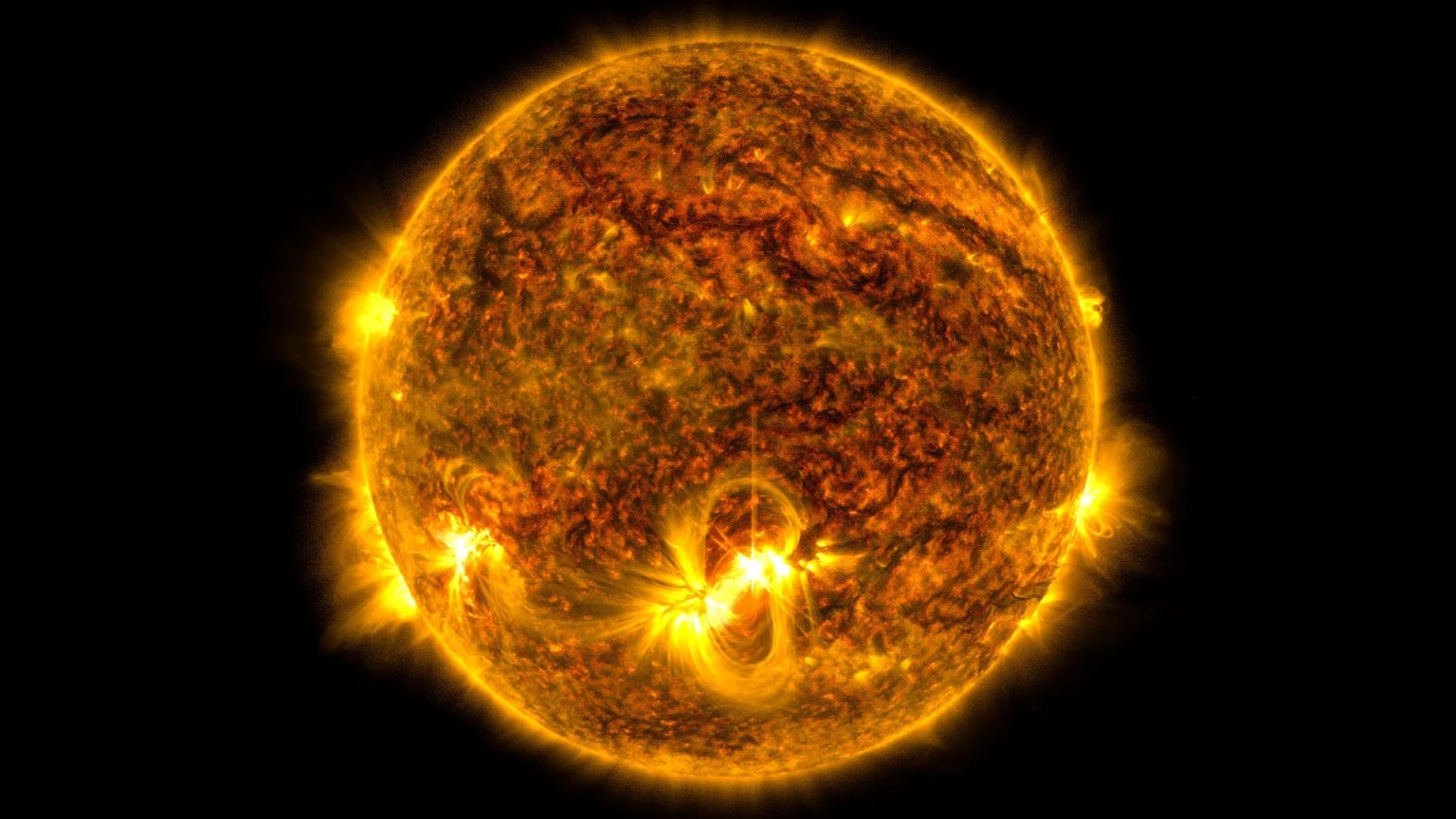
- 08 引力不变 如果用同等质量的黑洞替换太阳,太阳系会变得冷得多,但行星仍会保持在各自的轨道上。
- 09 恒星爆发 一种黑洞诞生于大质量恒星耗尽燃料并发生超新星爆炸之时。
- 10 并不罕见 大多数银河系大小的星系中心都有巨型黑洞。我们银河系的被称为人马座 A*(读作“A星”),其质量为太阳的 400 万倍。