星系
星系基础知识
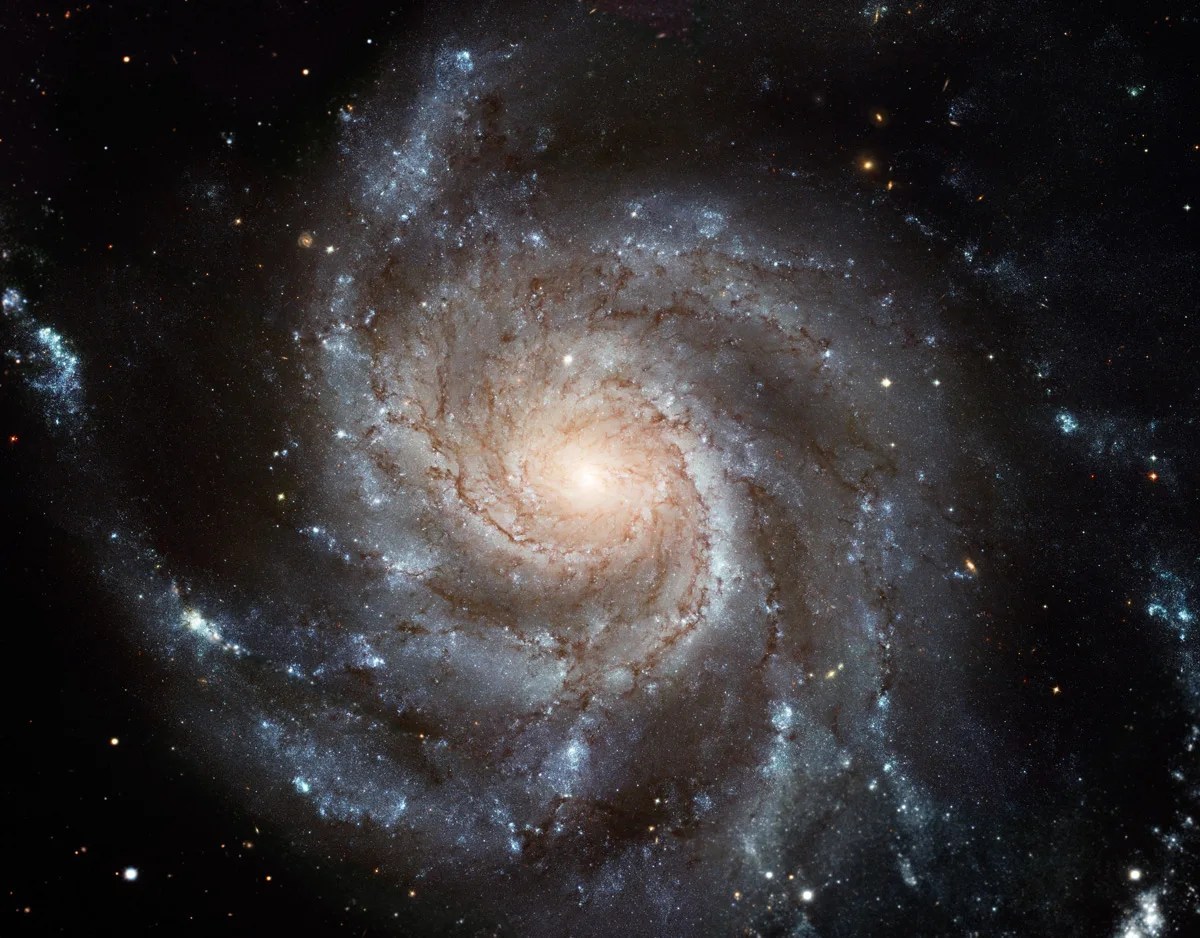
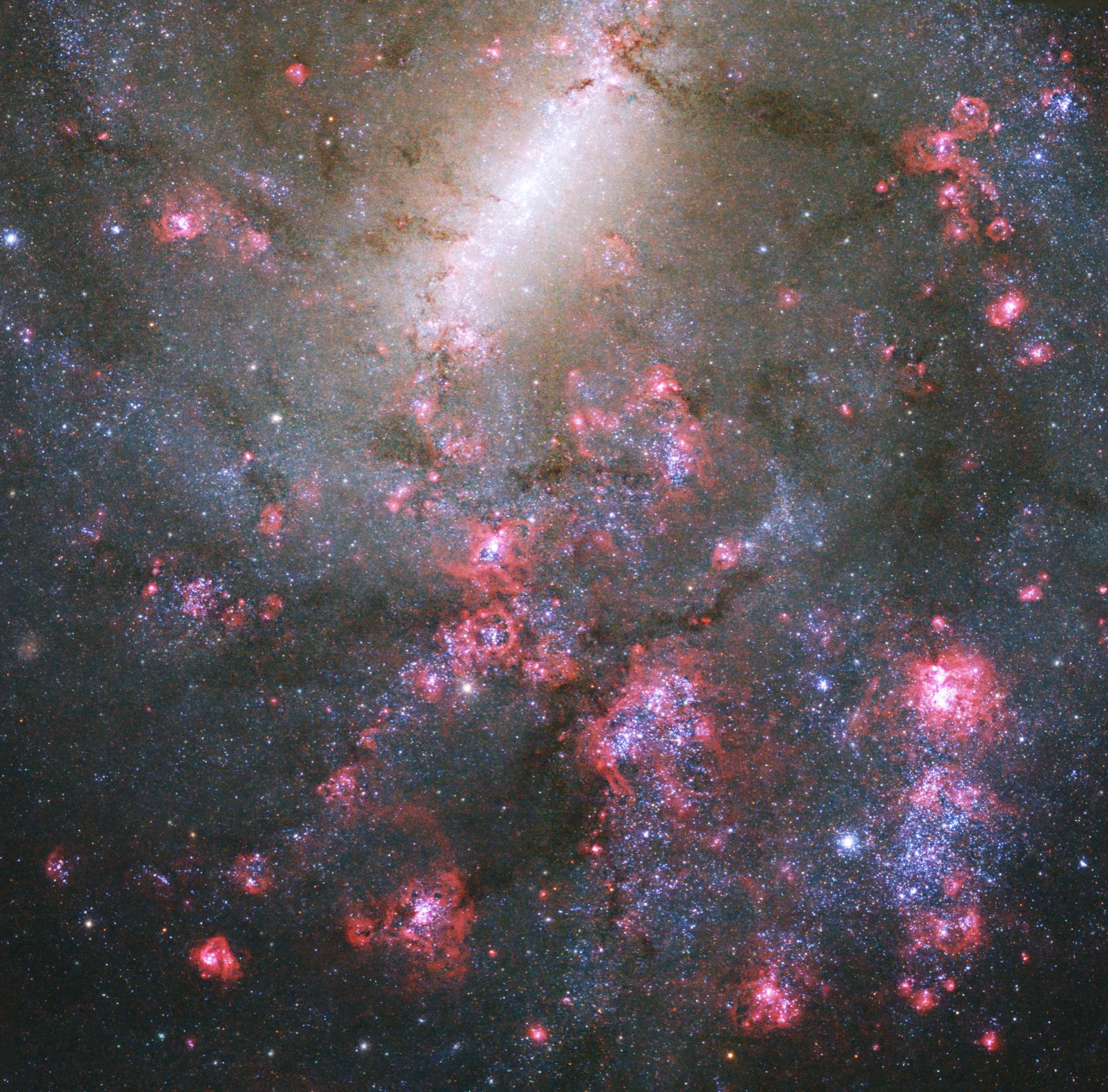
星系由恒星、行星以及大量气体和尘埃云组成,它们都被引力束缚在一起。最大的星系包含数万亿颗恒星,直径可超过一百万光年。最小的星系只有几千颗恒星,跨度仅几百光年。大多数大型星系中心都有超大质量黑洞,有些黑洞的质量可达太阳的数十亿倍。
星系的形状多种多样,主要是旋涡星系和椭圆星系,也有外形不太规则的,通常被称为不规则星系。
大多数星系的年龄在100亿到136亿年之间。有些星系几乎和宇宙本身一样古老,宇宙大约形成于138亿年前。天文学家认为,已知最年轻的星系大约形成于5亿年前。
星系可以组成星系群,每个群由大约100个或更少的成员组成,靠彼此的引力维系在一起。更大的结构叫做星系团,可能包含数千个星系。星系群和星系团可以排列成超星系团,但超星系团并不受引力束缚。超星系团、空荡荡的宇宙空洞、星系“墙”以及其他大尺度
Our Milky Way
Our home galaxy is called the Milky Way. It’s a spiral galaxy with a disk of stars spanning more than 100,000 light-years. Earth is located along one of the galaxy’s spiral arms, about halfway from the center. Our solar system takes about 240 million years to orbit the Milky Way just once.
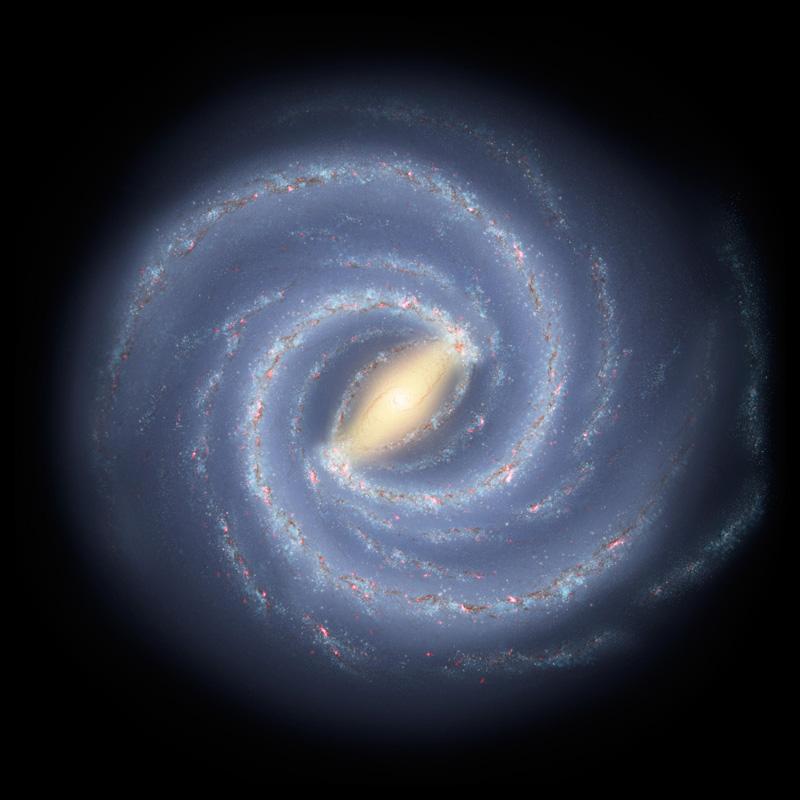
From our perspective on Earth, the Milky Way looks like a faint, milky band of light arcing across the entire sky, which is how it got its name. This feature marks the central disk of our home galaxy seen edge on.
The Milky Way sits in a neighborhood with over 50 other galaxies called the Local Group. Its members range in size from dwarf galaxies (smaller galaxies with up to a few billion stars) to Andromeda, our nearest large galactic neighbor.
The Local Group sits just off the edge of the Virgo cluster and is part of the Laniakea supercluster.