行星系统
行星系统
行星系统
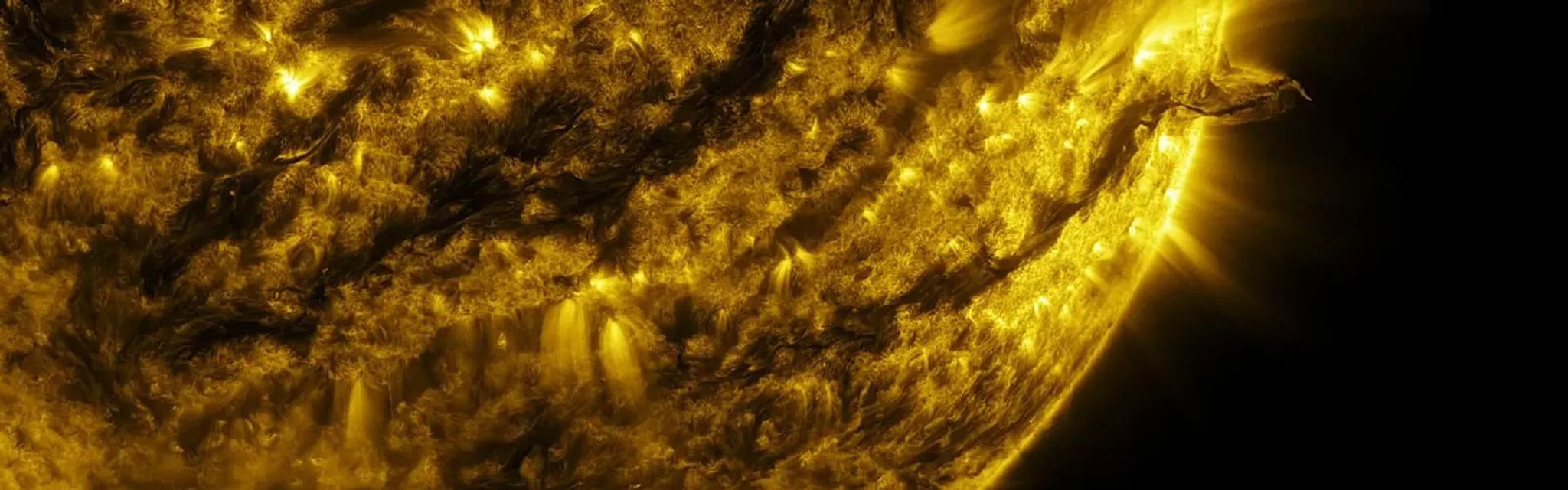
我们的太阳系由太阳、八颗行星、数百颗卫星以及数十亿个更小的天体组成——从彗星、小行星到流星体和微小的冰与岩石碎块,太阳的引力让它们不会飞散开来。同样,系外行星系统是围绕太阳以外恒星运转的非恒星天体群体,天文学家已经发现了数千个这样的系统。
建设工地
我们太阳系的布局为行星系统如何形成提供了最初的线索。所有行星都朝同一方向绕太阳公转,它们的轨道几乎都位于同一平面上。由此,早期天文学家推测,太阳形成于一大片扁平的气体和尘埃云的中心,这片云现在被称为太阳星云,而行星则在更远的地方形成。这一图景后来得到了大幅完善,但它抓住了核心思想——行星系统实际上是制造恒星的副产品。
恒星诞生于巨大而寒冷的气体和
Our solar system began to form about 4.6 billion years ago. Astronomers think small rocky and icy grains within the solar nebula began sticking together, growing into even larger objects. Although the process remains poorly understood, solid objects miles or more across eventually populated the disk. Astronomers call these bodies planetesimals. Within a million years after the proto-Sun formed, collisions among planetesimals created larger bodies called planetary embryos, which were roughly as massive as Mars. After another few million years, radiation from the young Sun and nearby stars dispersed the disk’s remaining gas, leaving behind only solid objects, which continued to collide, shatter, and merge to form the planets, asteroids, and other bodies we see today.
Detecting Disks
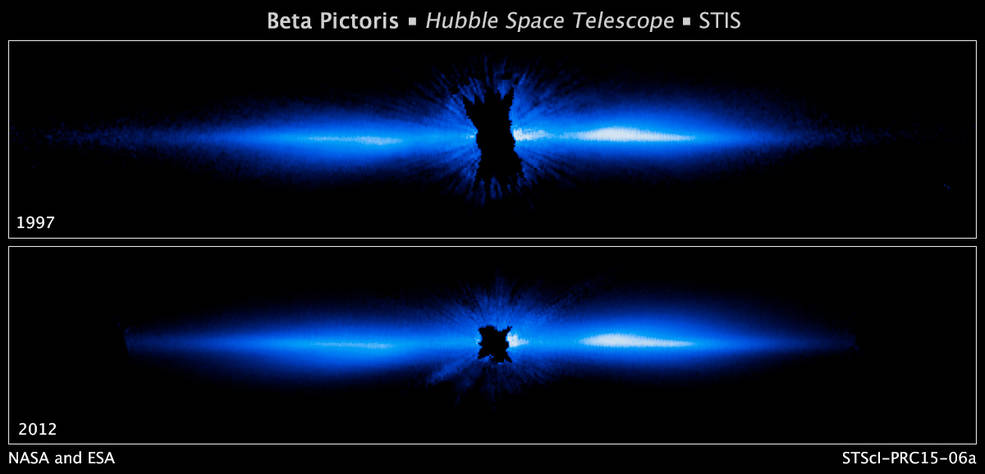
Astronomers now routinely observe disks around young stars, either by directly imaging them or by detecting extra light – more than the star alone could produce – emitted by the disk materials. Examples of directly imaged disks include those around the stars AU Microscopii and Beta Pictoris, which both also harbor at least two confirmed planets.
在我们的太阳系中,陨石——落到地球表面的太空岩石——以及来自太空任务的样本,提供了关于古代太阳星云以及行星形成如何在其中推进的化学、物理和磁性线索。
有多常见?
星团包含数百颗大约在同一时间形成的恒星。在最年轻的星团中,那些不到一百万年的星团,80% 或更多的恒星显示出由温暖星云盘产生的强烈红外线。随着星团年龄增加,这个百分比迅速下降,这表明这些星云盘存活不超过几百万年。它们消散后留下了什么?大约 20% 类似我们太阳的恒星在中红外线波长处有可观测的尘埃,这被认为是由类似彗星和小行星的冰质和岩质天体之间的碰撞产生的。天文学家将这些天体视为行星形成的剩余材料。
从星云盘到系外行星
自 20 世纪 90 年代以来,天文学家已发现数千颗行星,包括拥有多个世界的恒星——真正的行星系统。天文学家将太阳系以外的行星称为系外行星。大多数围绕恒星运行,但有些在行星形成的忙碌过程中,或因与其他系外行星或附近恒星的引力相互作用而被逐出它们的恒星。这些世界——通常被称为自由漂浮行星或流浪行星——如今在星系中漫游,不受任何恒星束缚。
要了解更多关于系外行星和 NASA 对它们的搜寻,请访问 https://science.nasa.gov/exoplanets/。
用 Disk Detective 做 NASA 科学!
- 对行星如何形成感兴趣吗?作为 NASA 的 Disk Detective 公民科学项目的志愿者,你将搜寻恒星周围尘土飞扬的星云盘,遥远的世界常常在那里形成和居住。 Join the project