类型
星系类型
星系的类型
Scientists sometimes categorize galaxies based on their shapes and physical features. Other classifications organize galaxies by the activity in their central regions – powered by a supersized black hole – and the angle at which we view them.
旋涡星系
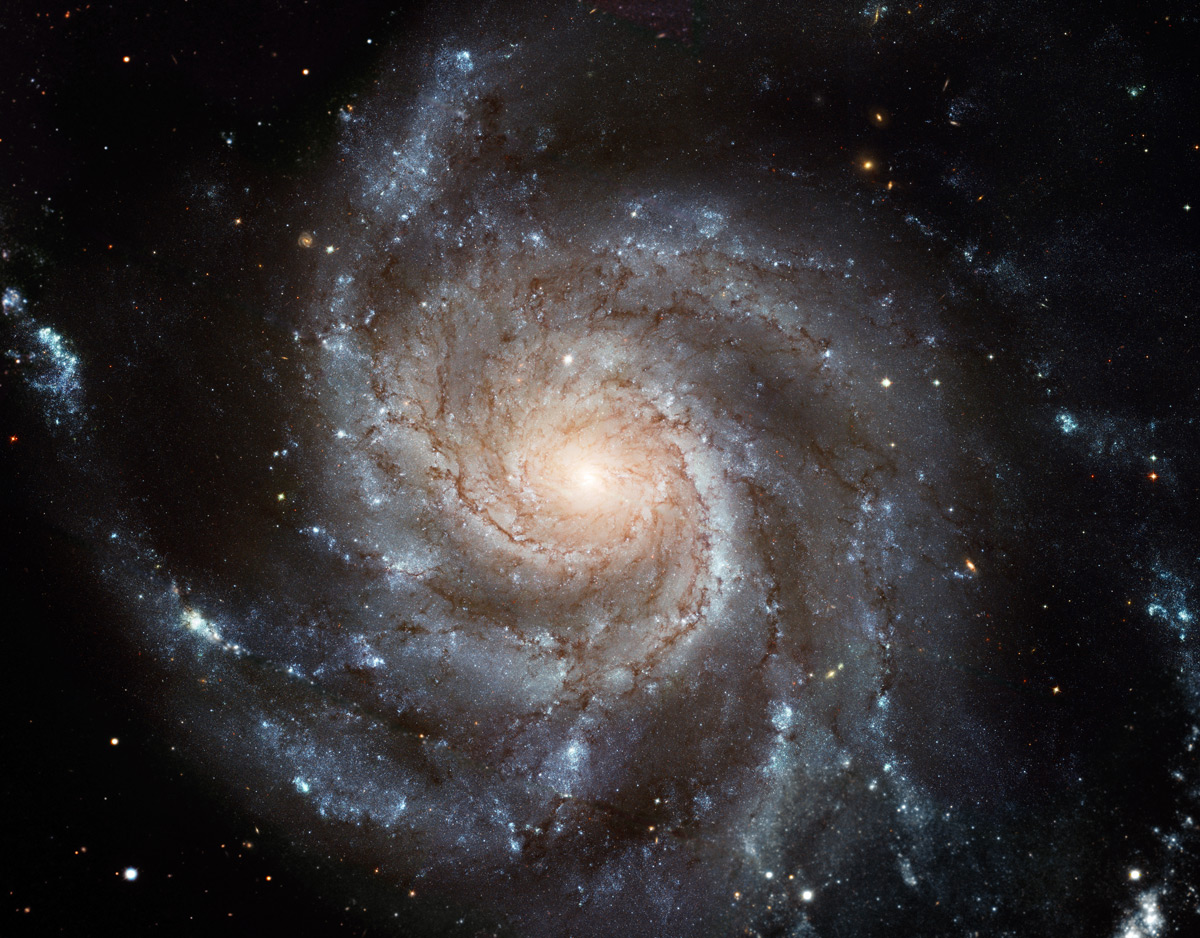
我们的银河系就是一大类星系的例子,这类星系以拥有旋臂为
The spiral arms can be wound tightly or loosely, and some cannot be seen from Earth because we view the galaxy from the side, edge on.
Spiral galaxies are surrounded by halos, mixtures of old stars, star clusters, and dark matter – invisible material that does not emit or reflect light but still has a gravitational pull on other matter. The youngest stars form in gas-rich arms, while older stars can be found throughout the disk and within the bulge and halo.
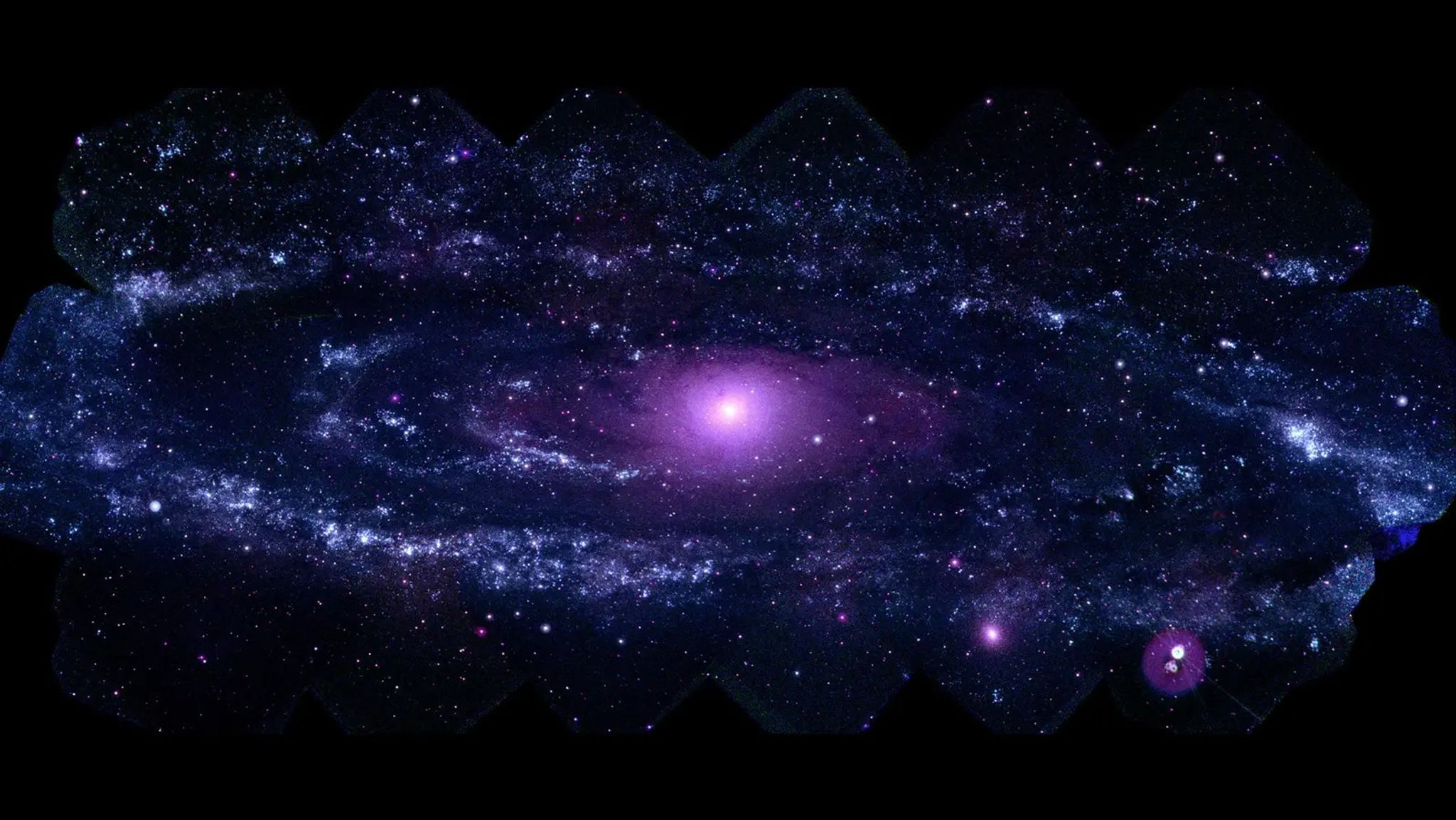
Both the Milky Way and the Andromeda galaxies belong to a subtype known as barred spirals, which make up two-thirds of the group. Barred spirals sport ribbons of stars, gas, and dust that cut across their centers. Scientists think the presence of a bar indicates that a galaxy has reached full maturity.
Elliptical Galaxies
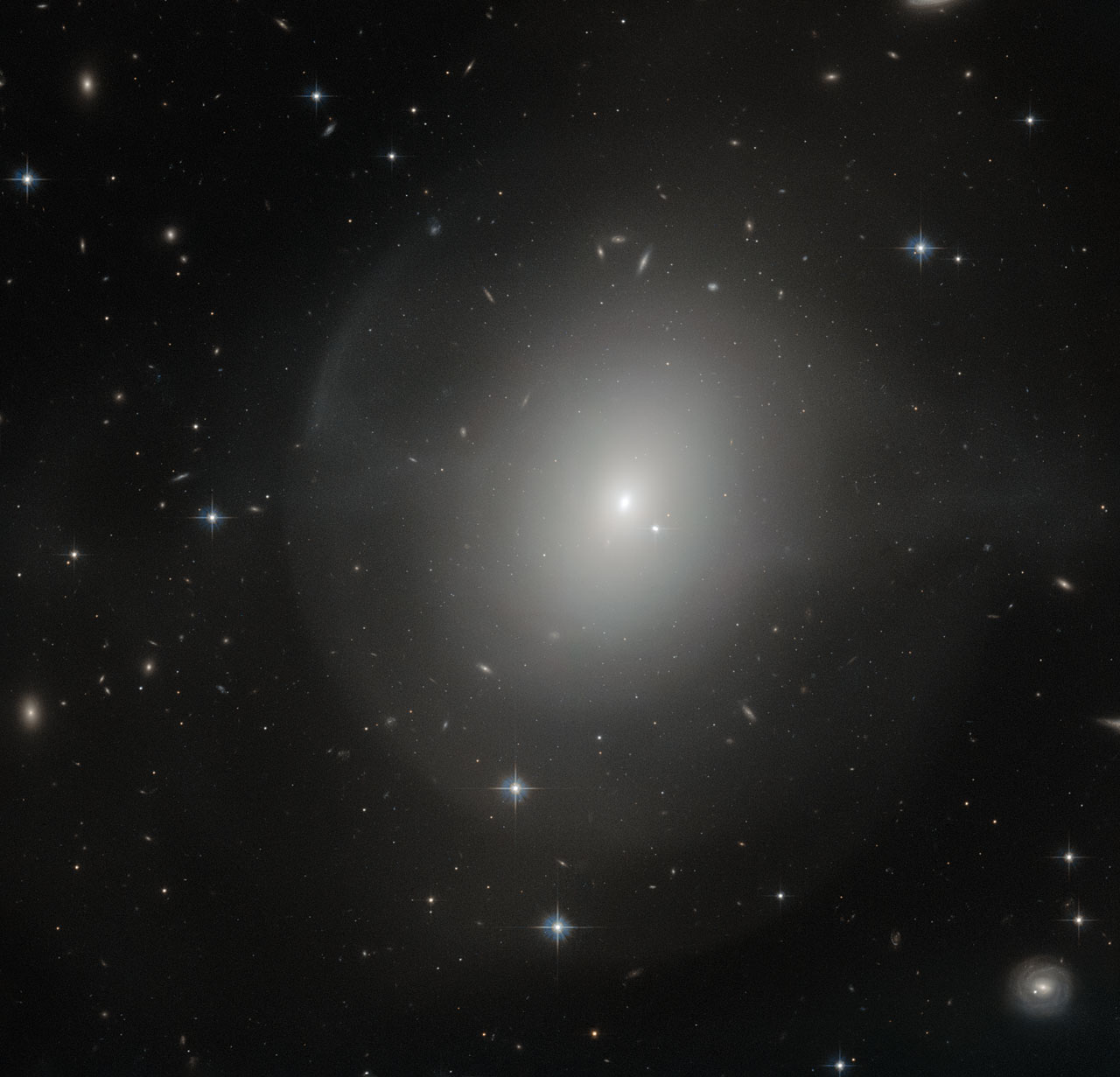
椭圆星系的形状从完全圆形到椭圆形不等。它们比旋涡星系少见。
与旋涡星系不同,椭圆星系通常几乎没有气体和尘埃,也几乎看不出组织或结构。恒星围绕核心以随机方向运行,而且通常比旋涡星系中的恒星更古老,因为形成新恒星所需的气体已经所剩无几。科学家认为椭圆星系起源于与旋涡星系的碰撞和合并。
透镜状星系
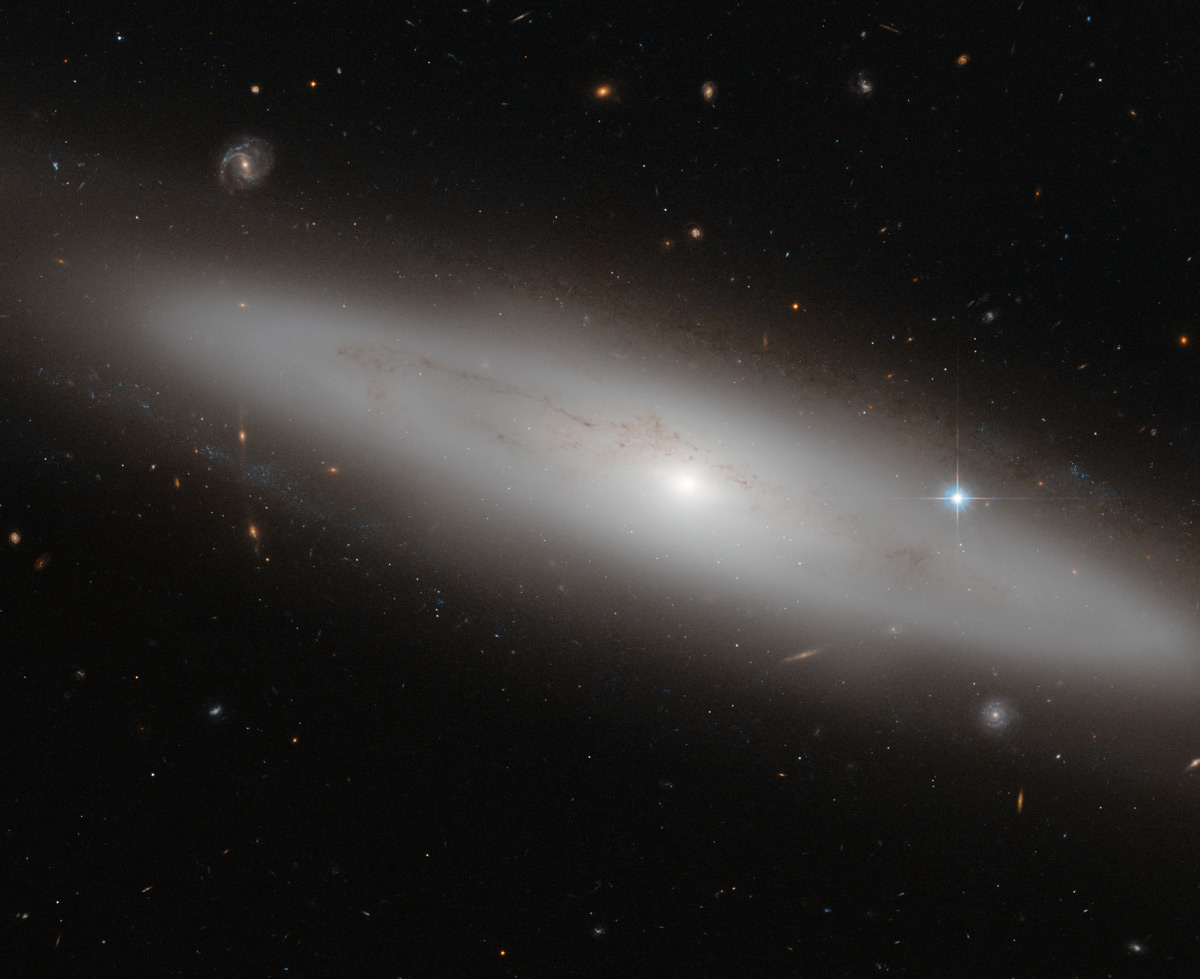
透镜状星系是介于旋涡星系和椭圆星系之间的一种星系。它们具有旋涡星系常见的中央核球和盘,但没有旋臂。不过,和椭圆星系一样,透镜状星系拥有较老的恒星族群,几乎没有正在进行的恒星形成。
科学家对透镜状星系如何演化有几种理论。一种观点认为,这些星系是旋臂已经消退的较老旋涡星系。另一种观点提出,透镜状星系是由旋涡星系合并形成的。
不规则星系
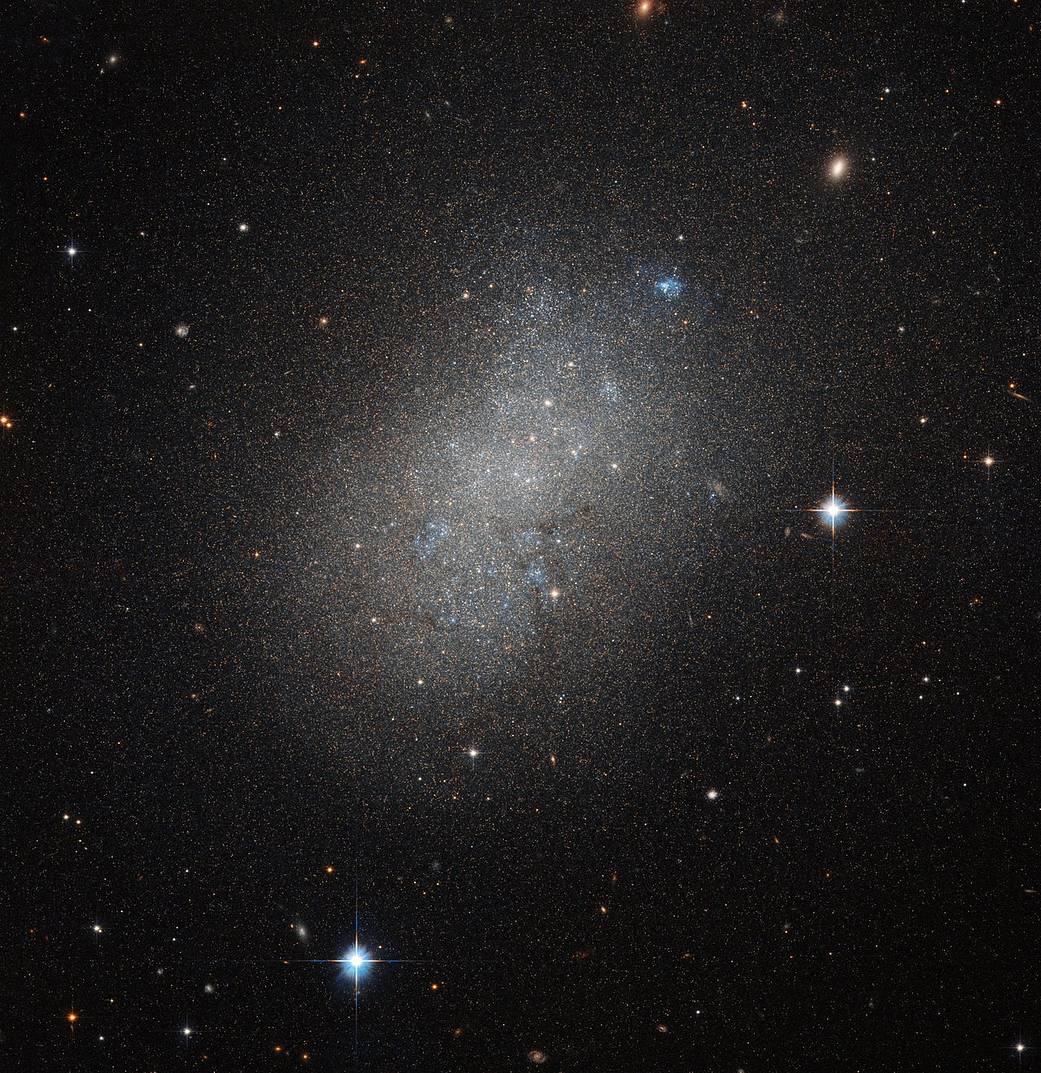
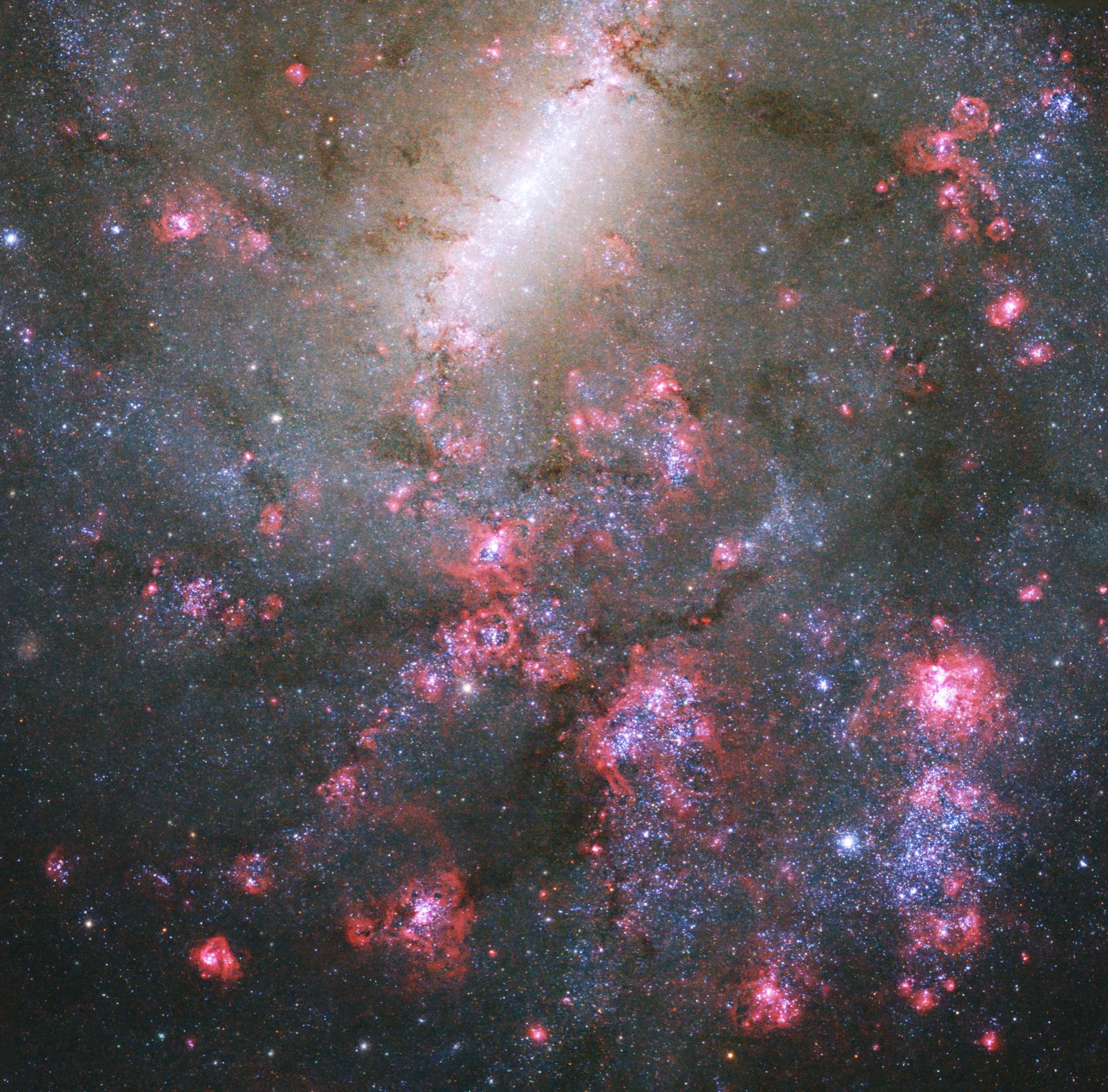
不规则星系有着不寻常的形状,像牙签、环,甚至是一小群恒星。它们的范围从质量为太阳 1 亿倍的矮不规则星系,到质量为 100 亿太阳质量的大家伙。
天文学家认为,这些星系奇怪的形状有时是与其他星系相互作用的结果。例如,一个旋涡星系经过另一个引力更强的星系时,可能会失去一些物质,变得扭曲,并变成新的形状。有些星系,比如富含气体的矮星系,可能是新形成的,由这类相遇中拉扯出来的物质组成。或者,当星系碰撞时,它们会形成一个更大、形状古怪的混合体。一些科学家推测,某些大型不规则星系可能代表旋涡星系和椭圆星系之间的中间阶段。
由星系相互作用或碰撞诞生的不规则星系,通常同时拥有较老和较年轻的恒星,具体取决于原星系的特征和组成。不规则星系也可能含有大量气体和尘埃——这是制造新恒星必不可少的原料。
活动星系
已知星系中约有 10% 是活动星系,这意味着它们的中心看起来比其恒星总亮度还要亮 100 倍以上。它们可以是旋涡星系、椭圆星系或不规则
Astronomers think this excess energy comes from areas near the galaxies’ central supermassive black holes, which range from hundreds of thousands to billions of times the mass of our Sun.
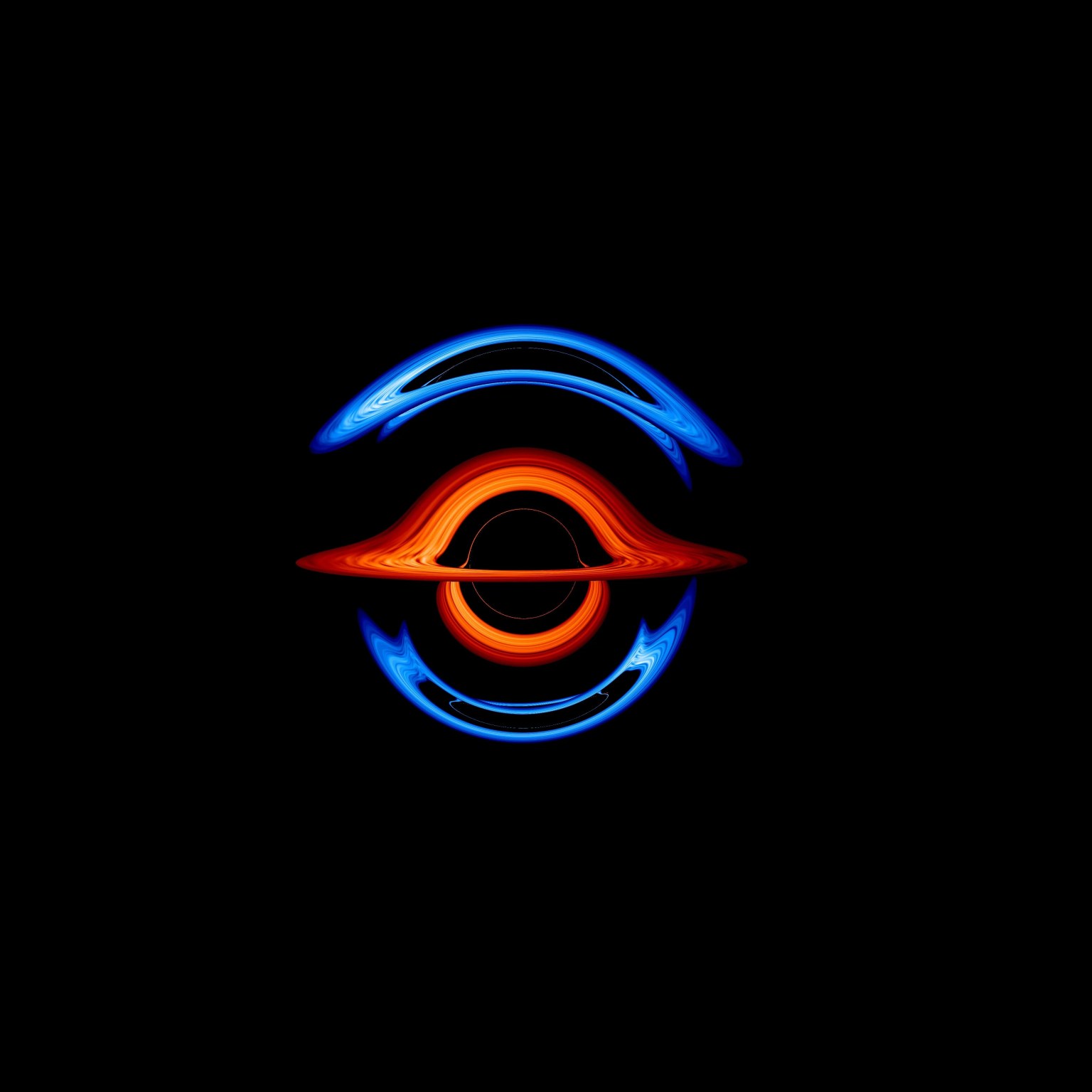
Gas and dust collect around the black hole to form an accretion disk. The black hole’s gravity compresses and heats the disk, which causes the material to glow across multiple wavelengths, from infrared to X-rays.
Infrared observations show that the black hole and its accretion disk are embedded within a clumpy ring of cooler dust, called a torus, that may be a few light-years across. Close to the black hole, a small fraction of the infalling gas can be driven outward, perpendicular to the disk, as jets of particles that move near the speed of light.
During the early 20th century, astronomers began classifying active galaxies based on the distinctive characteristics and behaviors they observed. Scientists now think viewing the centers of these galaxies at different angles – for example, seeing directly into the torus versus seeing it from the side – produce many of the signature traits.
活动星系也可以按它们在射电波段的亮度来分类。射电强烈的星系通常同时从吸积盘和喷流发出辐射。射电微弱的星系则几乎没有或完全没有来自喷流的辐射。观测到的光度也被认为与我们观测角度的另一个方面有关。喷流越朝向我们的视线方向,也就是“顺着喷口往里看”时,看起来就越明亮、变化也越剧烈;而从更大角度观察时则不然。
赛弗特星系
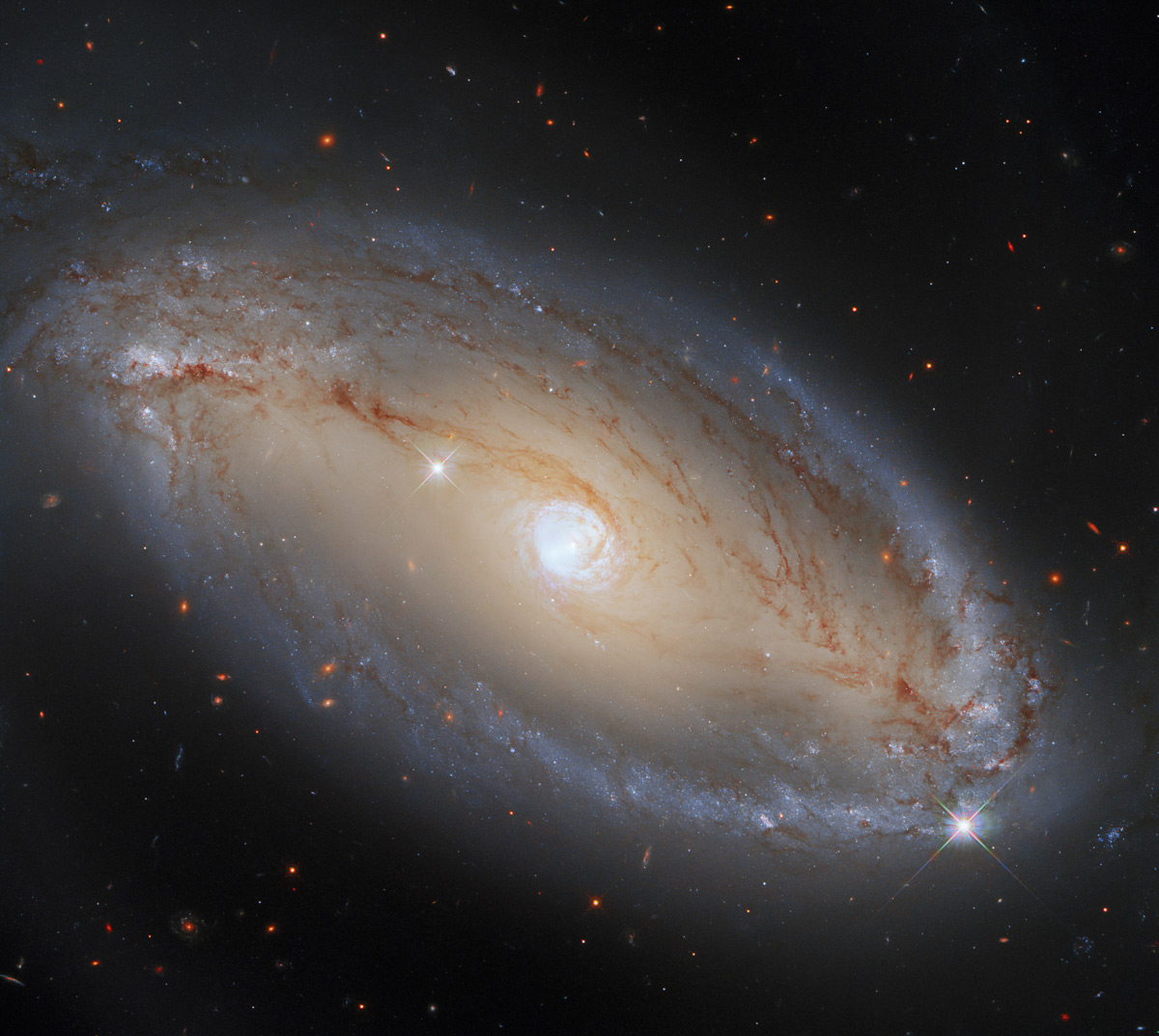
赛弗特星系最早由美国天文学家卡尔·赛弗特于1943年识别出来,是最常见的活动星系,同时也表现出最低的能量。所有赛弗特星系在可见光下看起来都像普通星系,但它们会发出相当多的红外线辐射。在红外线下观测时,有些会显示出明亮的辐射,来自甜甜圈形状的环面。有些还会发出 X 射线。赛弗特星系通常具有较低的射电光度,尽管有些会产生射电喷流。
科学家将赛弗特星系分为两类。I 型赛弗特星系的可见光显示出不寻常的特征,暗示在吸积盘附近有快速运动。II 型赛弗特星系显示的特征则暗示运动要慢得多。然而,这种区别可能源于观测这些星系中心时不同的视角。
类星体
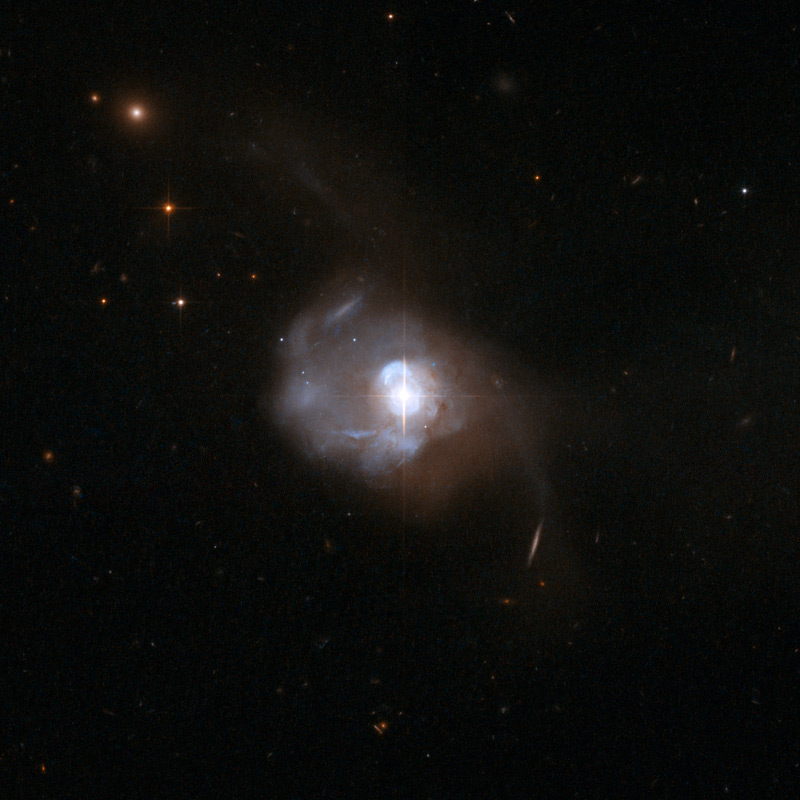
类星体是光度最高的一类活动星系。它们在整个电磁波谱上发出光,产生强大的粒子喷流,并且辐射出的能量可以达到像银河系这样的星系数千倍。最近的类星体名叫 Markarian 231,位于大约6亿光年之外,但我们看得越远,看到的类星体就越多。
科学家已经识别出超过100万个类星体,目前已知最远的一个位于大约130亿光年之外。由于光需要时间传播,科学家可以利用来自这些星系的光来回顾过去,研究黑洞的生长和
Blazars
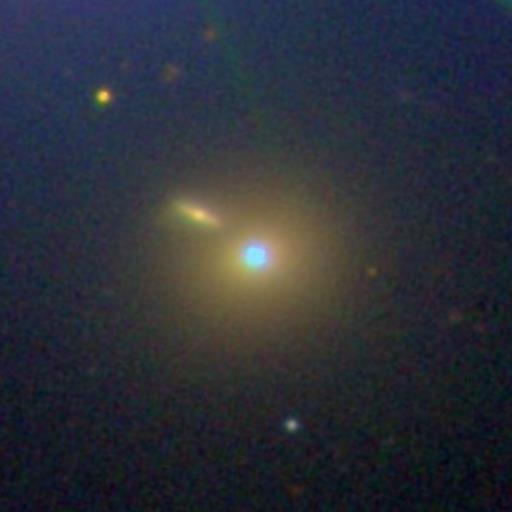
Blazars produce light across the electromagnetic spectrum. Their powerful jets point almost directly at Earth, so they appear brighter than other active galaxies. Observatories on Earth can sometimes detect high-energy particles – like neutrinos – produced within the jets and trace them back to their home galaxy. This information gives scientists a glimpse into the environment around the blazar’s supermassive black hole.
Do NASA Science with Galaxy Zoo!
-
The shape of a galaxy tells scientists about how it was born, how and when it has formed stars, and how it has interacted with its neighbors. Examine never-before-seen galaxy images made by the James Webb Space Telescope and describe their attributes to help scientists study galaxy evolution.