天文台
天文台
当前
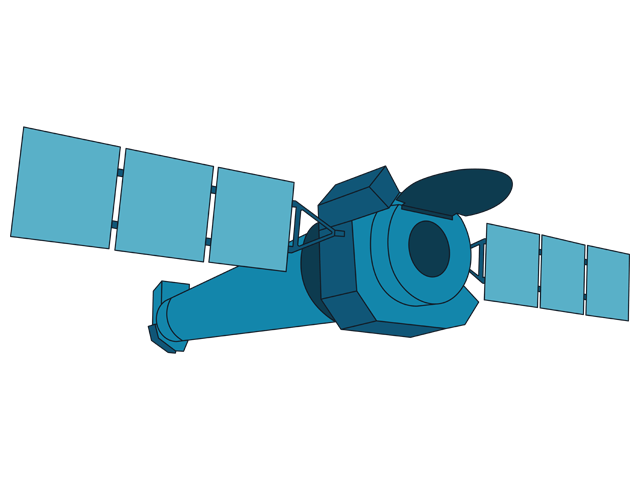
钱德拉X射线天文台
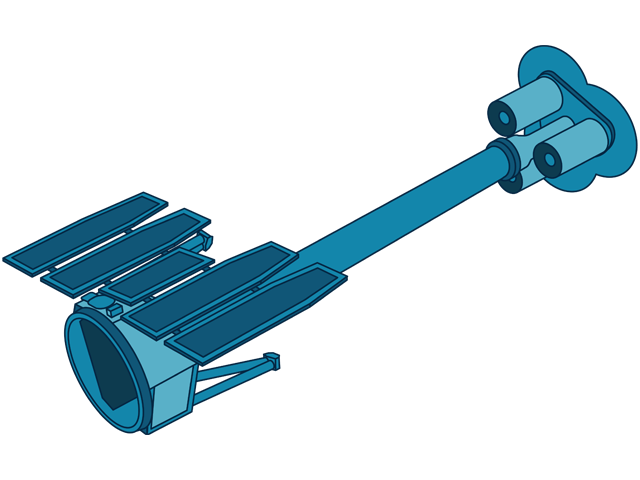
NASA的钱德拉(Chandra)是NASA"大天文台"之一,也是最强大的X射线望远镜,其分辨率是此前任何X射线望远镜的八倍,能够探测到比以往暗弱二十倍以上的源。钱德拉探测的是宇宙X射线,它们产生于物质被极端引力、磁场甚至爆炸剧烈加热的地方。发射时间:1999年7月23日
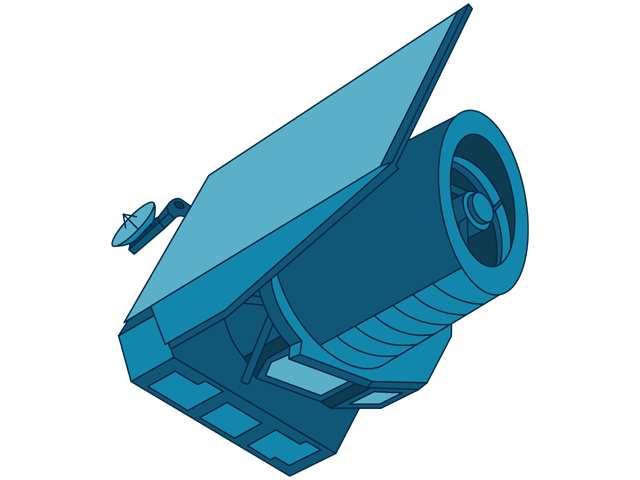
欧几里得
欧洲空间局(ESA)的欧几里得(Euclid)任务将探究宇宙中一些最大的谜团。它使用两台仪器——一台配备NASA提供红外探测器的近红外光谱仪和光度计,以及一台可见光相机——通过测量宇宙的膨胀和暗物质随宇宙时间的分布,来理解暗物质和暗能量。发射时间:2023年7月1日

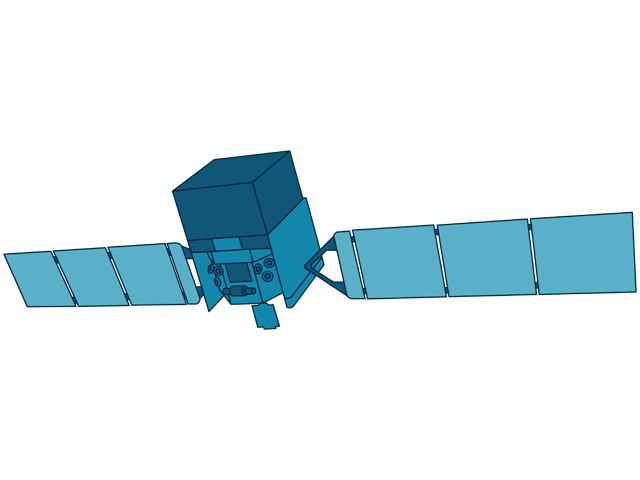
Fermi Gamma-ray Space Telescope
NASA’s Fermi mission observes gamma rays, the most energetic type of light, from extreme cosmic phenomena including gamma-ray bursts, active galaxies, supernova remnants, pulsars, and more. The mission has improved our understanding of dark matter and discovered the Fermi bubbles, two previously unknown massive structures extending above and below the plane of our galaxy, the Milky Way.
Launched: June 11, 2008
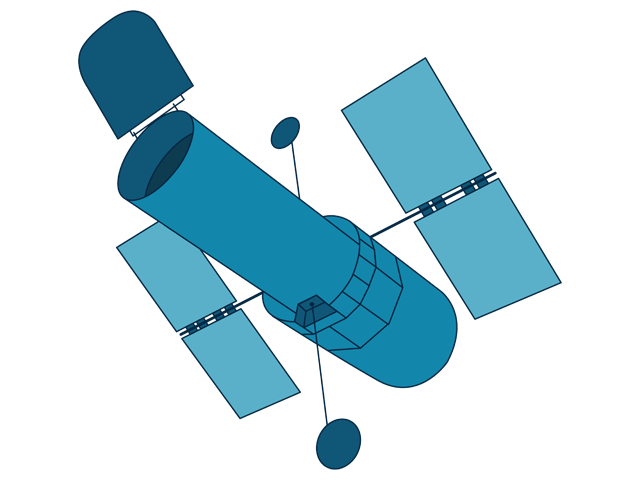
Hubble Space Telescope
美国国家航空航天局(NASA)的哈勃任务彻底改变了我们对宇宙的看法。作为NASA的大天文台之一,哈勃望远镜最远观测到134亿光年之外,拍摄了从并合星系到恒星诞生的星云等种种图像,还有更多。发射时间:1990年4月24日
国际空间站
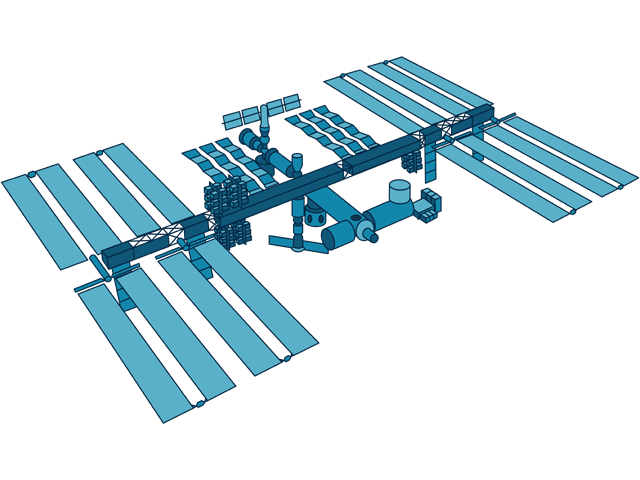
国际空间站是一个环绕地球运行的微重力实验室,自2000年以来一直有人类连续驻留。它是由NASA、日本宇宙航空研究开发机构(JAXA)、欧洲空间局(ESA)、俄罗斯国家航天集团和加拿大空间局(CSA)共同参与的多国合作项目,站内航天员从事从太空行走进行维护和升级,到开展科学研究以改善地球生活等各种工作。发射时间:1998年11月20日
詹姆斯·韦伯太空望远镜
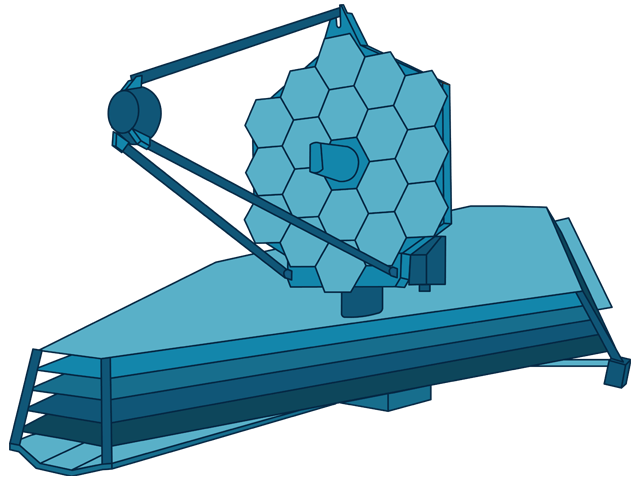
NASA的詹姆斯·韦伯太空望远镜是迄今发射的最大、最强的天文台。韦伯用高度灵敏的仪器在红外线波段观测宇宙,旨在解开太阳系中的谜团,望向其他恒星周围的遥远世界,并探测大爆炸后诞生的第一批星系。发射时间:2021年12月25日

南希·格雷斯·罗曼太空望远镜
NASA的罗曼任务是一台广域红外太空望远镜,将研究暗能量、遥远的系外行星、宇宙的历史等。它的主仪器视场将比哈勃太空望远镜的红外仪器大100倍。罗曼的日冕仪将对附近的系外行星进行光谱学观测和高对比度成像。发射时间:2026年8月30日
NICER(中子星内部组成探测器)
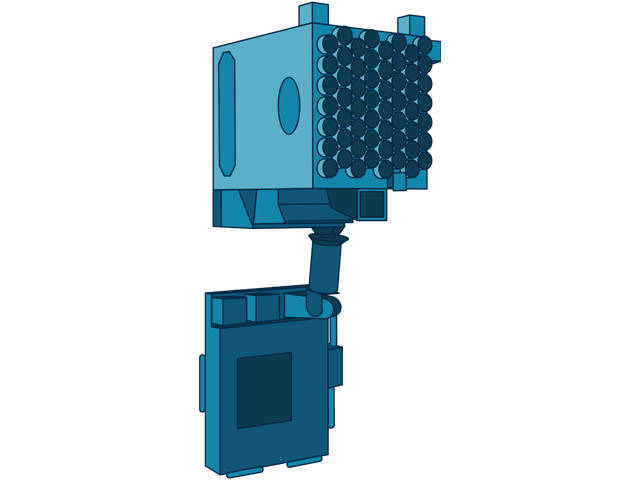
NASA的NICER是一台X射线天文台,从国际空间站上的驻地研究中子星及其他现象。NICER还演示了利用银河系脉冲星为未来深空探索任务导航。发射时间:2017年6月3日
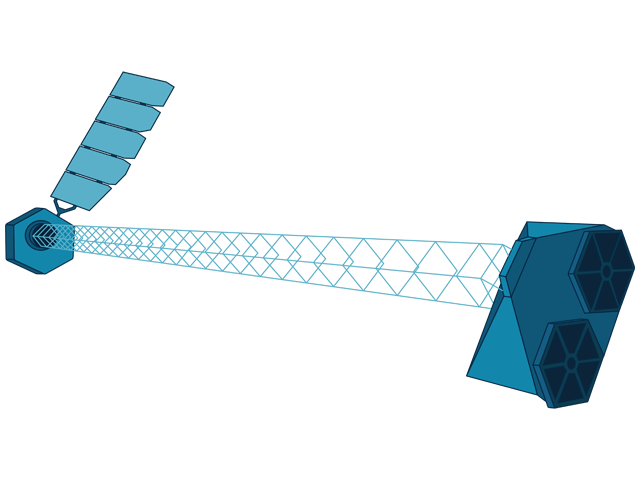

Pandora
NASA’s Pandora mission is a small satellite designed to study the atmospheres of exoplanets, or worlds beyond our solar system, and the activity of their host stars with long-duration multiwavelength observations. It is slated to observe at least 20 different planets during its one year of science operations.
Launched: January 11, 2026

SPHEREx (The Spectro-Photometer for the History of the Universe, Epoch of Reionization and Ices Explorer)
NASA’s SPHEREx mission will map the entire sky in near-infrared wavelengths, observing over 100 million stars in the Milky Way and more than 300 million galaxies. SPHEREx will use a method called spectroscopy to learn about the composition of those objects and measure the distances to other galaxies, creating a 3D map of the cosmos.
Launched: March 11, 2025
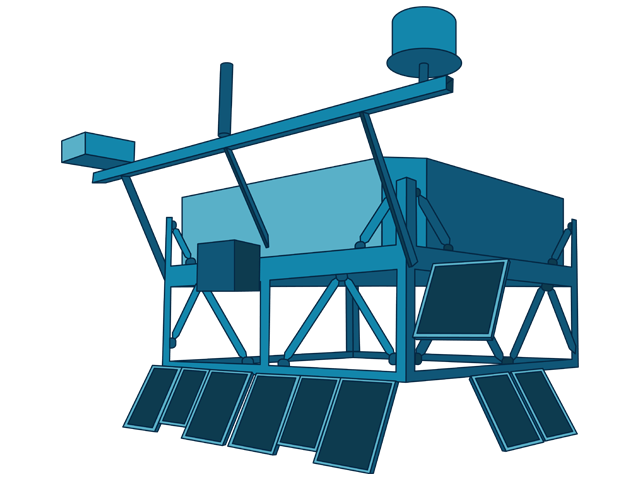
SuperTIGER (Super Trans-Iron Galactic Element Recorder)
NASA’s SuperTIGER is a balloon-borne instrument flown above Antarctica. SuperTIGER detects and measures cosmic rays, high-energy particles and atomic nuclei from beyond our solar system and galaxy that constantly reach the top of Earth’s atmosphere.
Campaigns: 2012, 2019
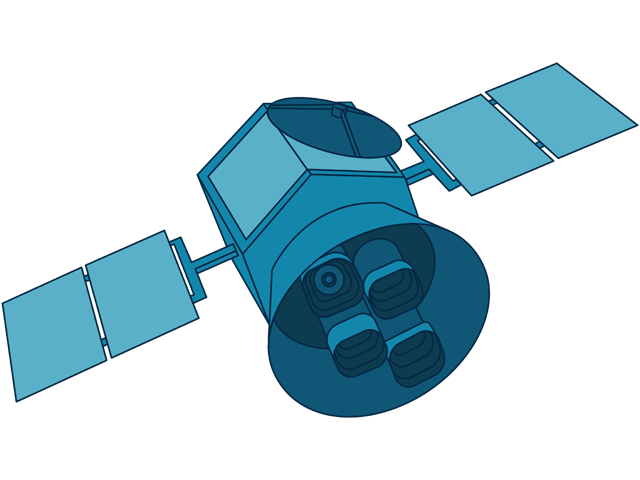
TESS(凌星系外行星巡天卫星)
NASA 的 TESS 旨在探测系外行星(exoplanet),即太阳系之外的世界。在对天空进行长期扩展观测的过程中,TESS 还发现了各种亮度会发生变化的天体,从附近的小行星到脉动恒星,再到包含超新星的遥远星系。发射时间:2018 年 4 月 18 日
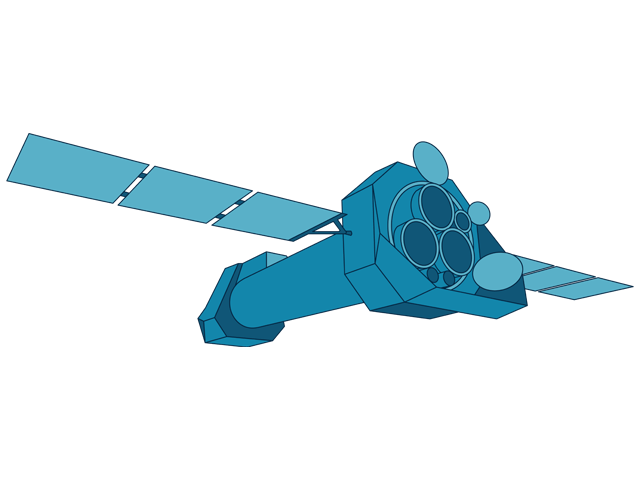
XMM 牛顿(X 射线多镜任务牛顿)
欧洲空间局(ESA)的 XMM-牛顿是一座空间天文台,它使用 X 射线和光学/紫外线望远镜研究各种各样的天体,从遥远的星系团到太阳系的行星。NASA 为仪器套件的部分组件提供了资金,并支持美国科学界使用 XMM-牛顿。发射时间:1999 年 12 月 10 日
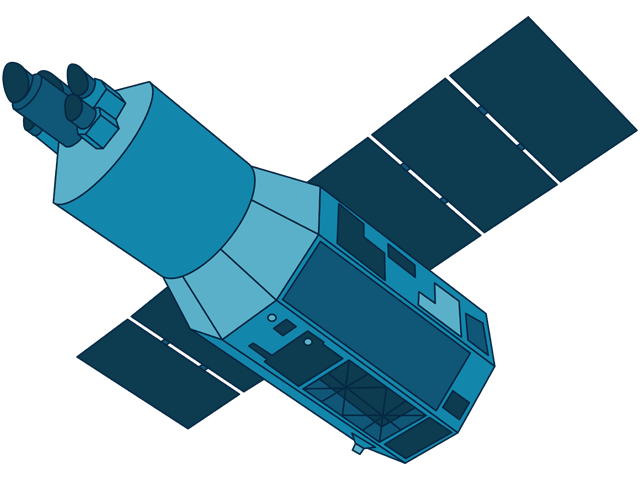
XRISM(X 射线成像与光谱任务)
NASA 正与日本宇宙航空研究开发机构合作开展 XRISM 任务,研究会发出 X 射线的天体。该任务将探究重大的宇宙问题,例如宇宙中最大的结构是如何形成的、物质在极端引力下会发生什么,以及高能粒子喷流是如何工作的。发射时间:2023 年 9 月 6 日
未来
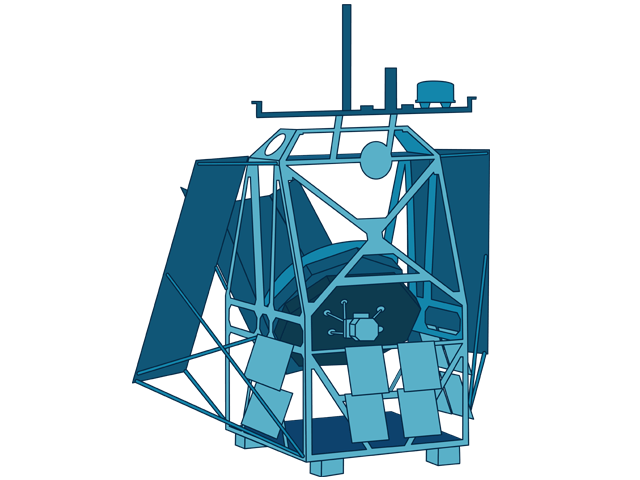
ASTHROS(高光谱分辨率天体物理平流层望远镜)
ASTHROS 将用高空气球把一台望远镜送入地球平流层。这台望远镜将观测远红外线,这种光会被我们星球的大气层阻挡,因此无法在地面观测。ASTHROS 将绘制星际气体的 3D 地图,为恒星反馈提供新信息——这一过程会影响恒星形成的速率。计划发射时间:待定

ATHENA(高能天体物理先进望远镜)
欧洲空间局(ESA)的 ATHENA 是一座 X 射线天文台,旨在研究普通物质如何聚集形成星系和星系团,以及黑洞如何成长并影响周围环境。NASA 通过提供硬件和测试来促进该任务的开发,并将支持美国科学界的参与。计划发射时间:2030 年代初
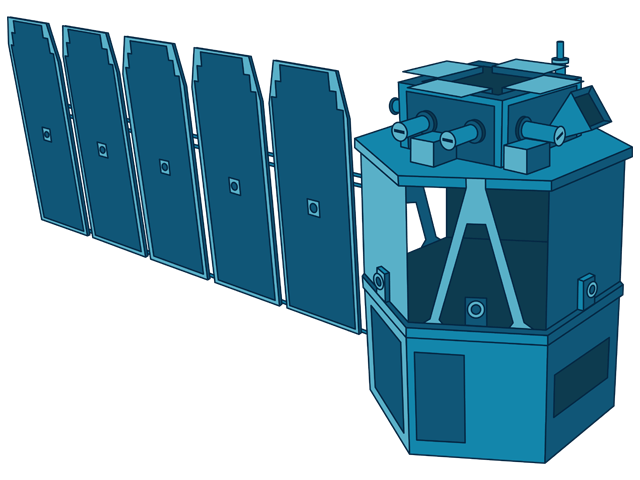
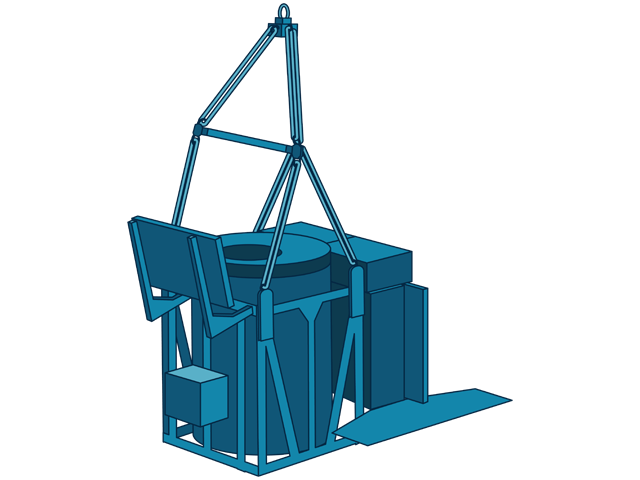
EXCLAIM (Experiment for Cryogenic Large-Aperture Intensity Mapping)
NASA’s EXCLAIM is a balloon mission that will loft a far-infrared telescope to the top of Earth’s atmosphere to study how stars and galaxies have formed over time and create 3D maps of the universe.
Planned launch: No earlier than 2027
LISA (Laser Interferometer Space Antenna)
ESA’s (European Space Agency) LISA is a space probe that will detect and measure gravitational waves, ripples in the fabric of space-time caused by astrophysical events such as merging massive black holes.
Planned launch: 2035
Historical
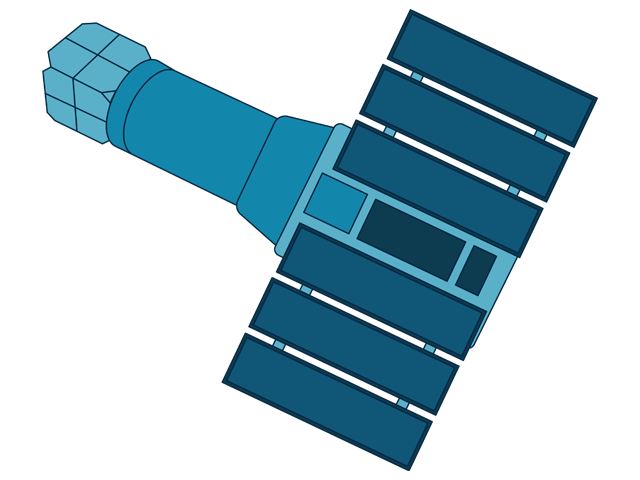
ASCA (Advanced Satellite for Cosmology and Astrophysics)
ASCA was an X-ray astronomy spacecraft that studied distant active galaxies, sources of the cosmic X-ray background, and other phenomena. The mission was developed by the Japanese Institute of Space and Astronautical Science with significant U.S. contributions, including NASA.
Launched: February 20, 1993
Decommissioned: July 15, 2000
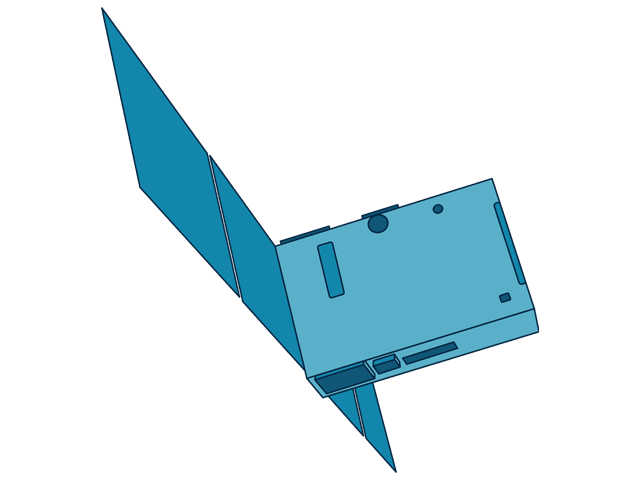
BurstCube
BurstCube is a mission under development at NASA’s Goddard Space Flight Center. This CubeSat will increase the sky coverage for short gamma-ray bursts, an important source for studying neutron star mergers in the current era of time domain and multimessenger astronomy.
Deployed : April 18, 2024
Operations ceased: September, 16, 2024
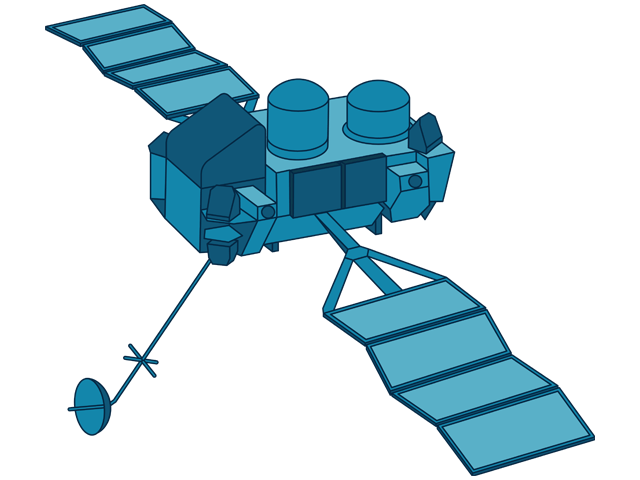
CGRO(康普顿伽马射线天文台)
CGRO 任务是 NASA 大天文台计划之一,它用四台探测不同能量范围的望远镜研究伽马射线天空。该任务发现了一类称为耀变体的活动星系,绘制了银河系中一种铝放射性同位素的分布,并暗示了伽马射线暴的宇宙学起源,此外还有其他发现。发射时间:1991 年 4 月 5 日;退役时间:2000 年 6 月 4 日
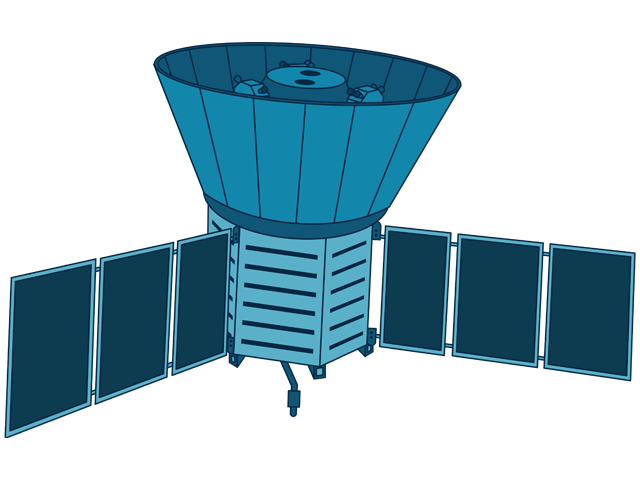
COBE(宇宙背景探测者)
NASA 的 COBE 是一项测量并绘制大爆炸遗留下来的宇宙微波背景辐射(CMB)的任务,这是宇宙中最古老的光。该任务为宇宙膨胀理论(也称大爆炸理论)作为宇宙起源解释提供了关键证据,并加深了我们对这一事件和 CMB 的理解。发射时间:1989 年 11 月 18 日;退役时间:1993 年 12 月 23 日
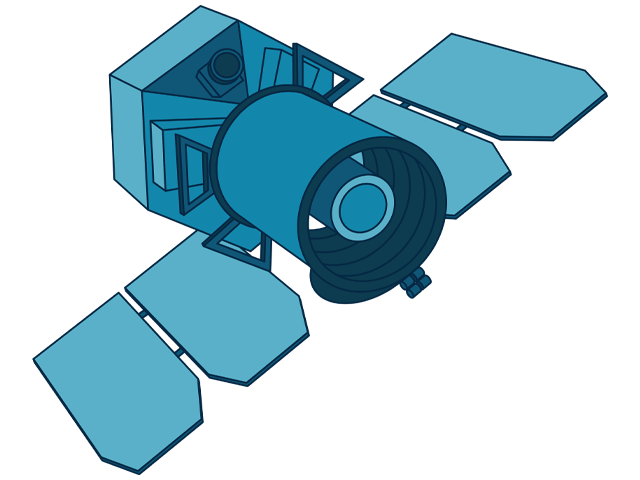
GALEX(星系演化探测器)
NASA 的 GALEX 是一台环绕地球运行的太空望远镜,用紫外线观测宇宙,完成了首次全天紫外巡天,并研究了宇宙历史中的恒星形成。发射时间:2003 年 4 月 28 日;退役时间:2013 年 6 月 28 日
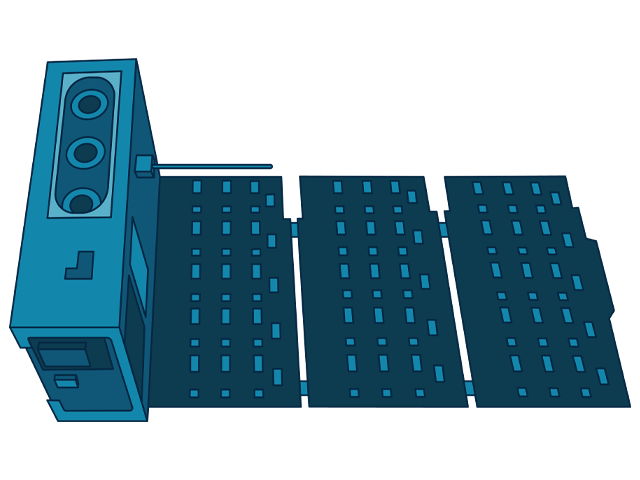
HaloSat
HaloSat 是一颗立方星,用于研究银河系晕的质量和形状,银河系晕是我们星系周围充满热气体的区域。该任务由爱荷华大学的学生和研究人员主导,NASA 参与其中。发射时间:2018 年 5 月 21 日;退役时间:2020 年 9 月 29 日
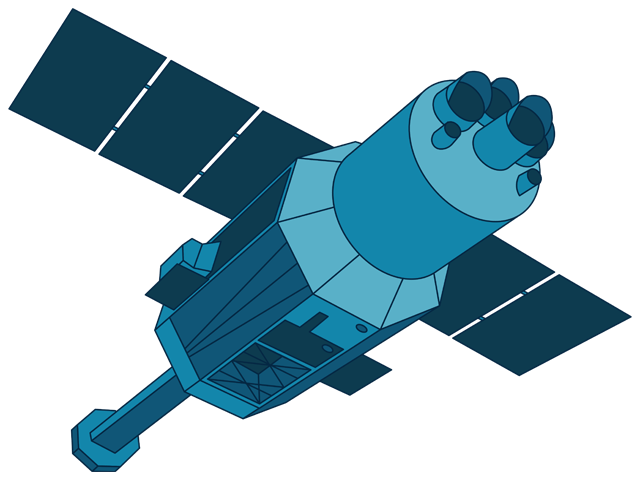
瞳
NASA 与日本宇宙航空研究开发机构合作开展了“瞳”任务,这是一台 X 射线天文台,旨在探测从 X 射线到伽马射线的辐射。“瞳”的目标是研究从宇宙演化到星系团内暗物质分布的宇宙元素。发射时间:2016 年 2 月 17 日;停止运行:2016 年 3 月 26 日
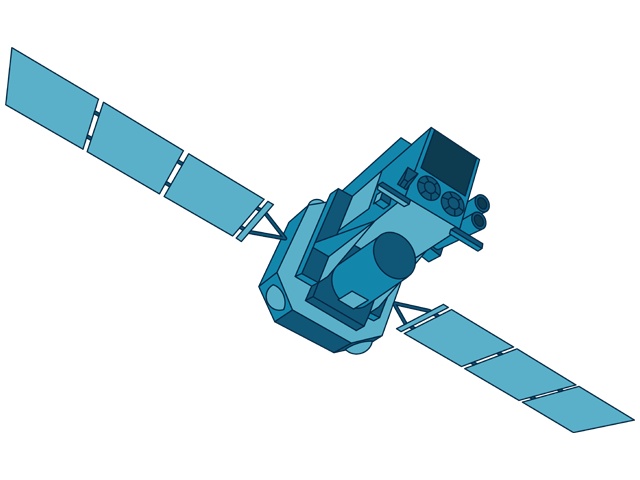
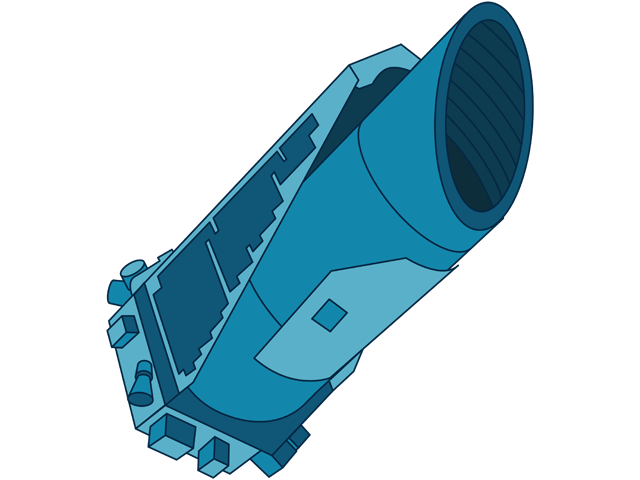
Kepler Space Telescope
NASA’s Kepler was a planet-hunting space telescope designed to discover Earth-size and larger planets orbiting in or near the habitable zones of their stars. Kepler surveyed our neighborhood in the Milky Way galaxy and, throughout its lifetime, observed over half a million stars, enabling the discovery of over 3,200 planets. The Kepler mission revealed that there are more planets than stars in our galaxy.
Launched: March 7, 2009
Decommissioned: October 30, 2018
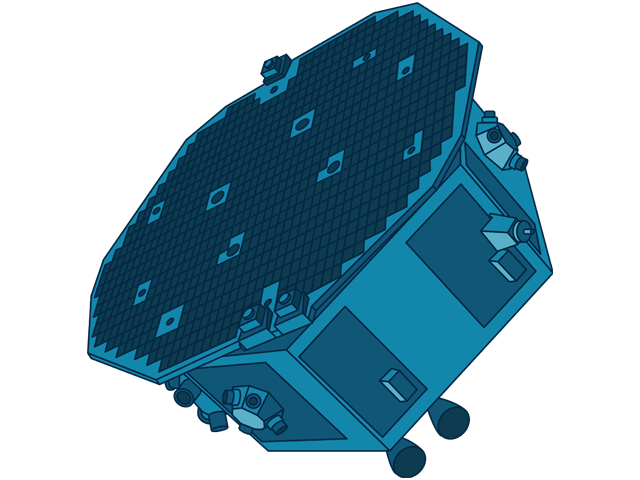
LISA (Laser Interferometer Space Antenna) Pathfinder
ESA’s (European Space Agency) LISA Pathfinder spacecraft demonstrated technologies required for LISA, a future space probe designed to detect gravitational waves.
Launched: December 3, 2015
Decommissioned: June 30, 2017
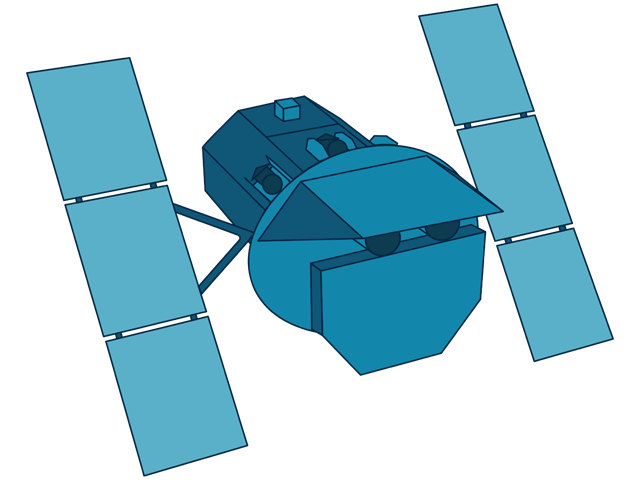
Neil Gehrels Swift Observatory
NASA’s Swift observatory was designed to study gamma-ray bursts, the most powerful explosions in the universe, and other cosmic objects and events. Swift’s three multiwavelength telescopes collected data in visible, ultraviolet, X-ray, and gamma-ray light.
Launched: November 20, 2004
Science operations ended: October 20, 2026
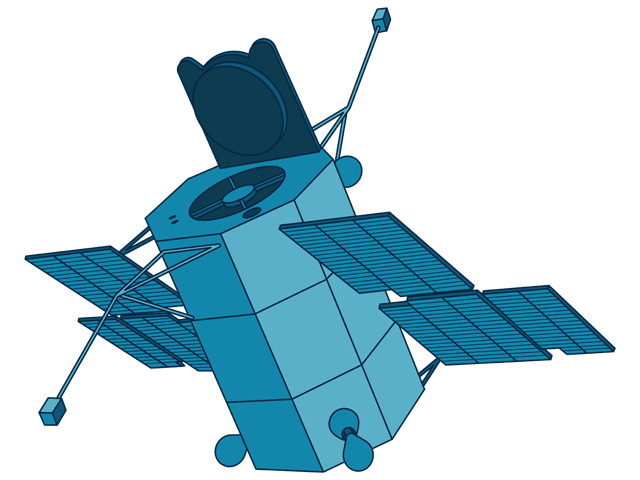
OAO (Orbiting Astronomical Observatory)
NASA’s OAO program was a series of four satellites that launched between 1966 and 1972, two of which were successful. These missions included OAO-2 and OAO-3, the direct ancestors of Hubble, Chandra, Swift, and many other astronomy satellites.
Launched:
OAO 1: April 8, 1966
OAO 2 (Stargazer): December 7, 1968
OAO B: November 30, 1970
OAO 3 (Copernicus): August 21, 1972

PIPER(原初暴胀偏振探测器)
NASA 的 PIPER 是一台气球运载仪器,用于测量和研究宇宙微波背景以及弥漫星际尘埃的偏振。PIPER 将绘制 85% 的天空,使科学家能够寻找宇宙在大爆炸后不久快速膨胀所产生的原初引力波的迹象。观测活动:2017 年、2019 年
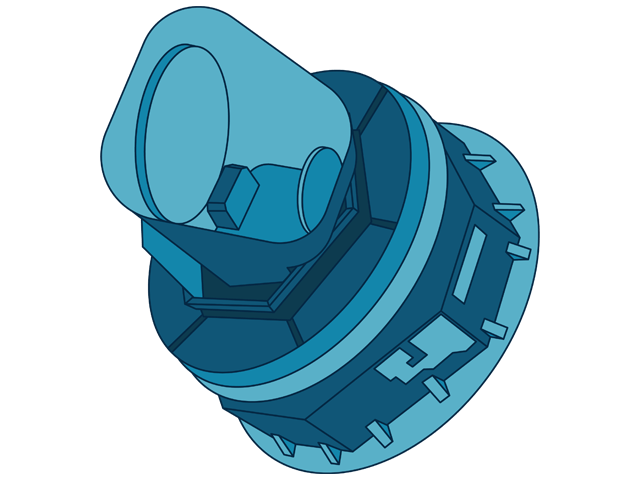
普朗克
ESA(欧洲空间局)的普朗克任务对宇宙微波背景中的微小变化进行了精确测量,宇宙微波背景是宇宙中最古老的光,它在大爆炸后仅 38 万年发出,而大爆炸发生在 138 亿年前。发射:2009 年 5 月 14 日退役:2013 年 10 月 23 日
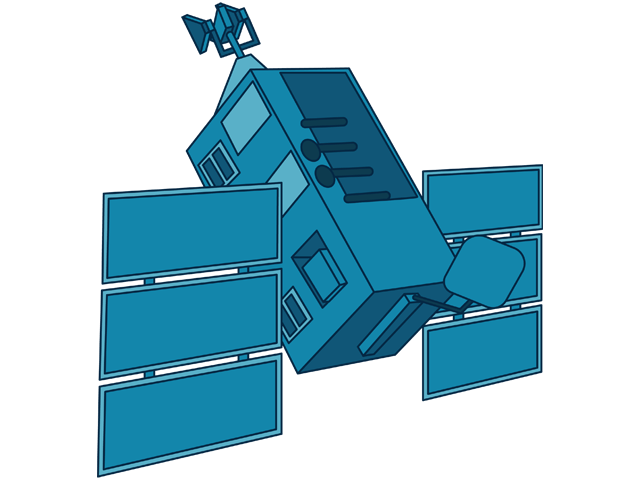
RXTE(罗西 X 射线计时探测器)
NASA 的 RXTE 卫星收集了有关白矮星、中子星、黑洞以及其他发射 X 射线的天体周围极端环境的信息。发射:1995 年 12 月 30 日退役:2012 年 1 月 12 日
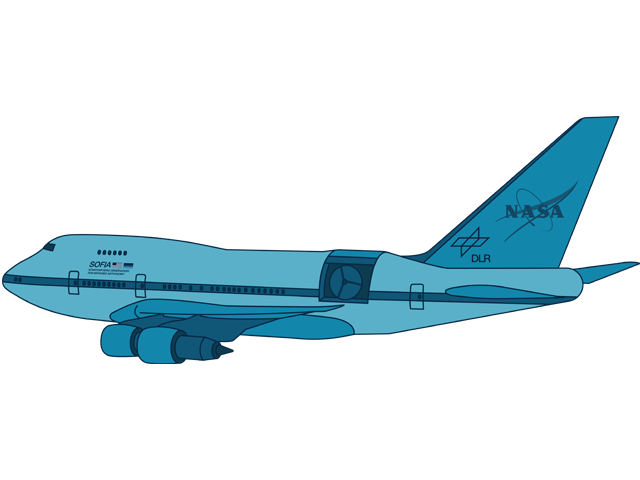
SOFIA(平流层红外天文台)
NASA 的 SOFIA 是一架经过改装的波音 747SP 飞机,搭载一台反射望远镜,用红外线观测宇宙。SOFIA 飞入地球的平流层,最高约 45,000 英尺(13,700 米),在 10 小时的夜间飞行中收集数据,观测月球、行星、恒星、邻近星系等。SOFIA 是 NASA 与德国航空航天中心的联合项目。首飞:2007 年 4 月 26 日最后一次飞行:2022 年 9 月 28 日至 29 日
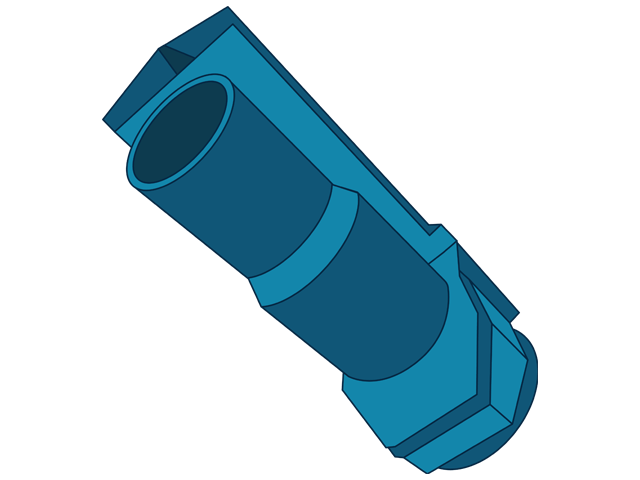
斯皮策太空望远镜
NASA 的斯皮策是 NASA 大天文台计划中发射的第四个也是最后一个任务,用红外线研究宇宙。斯皮策的发现得益于研究广泛的宇宙目标,包括迄今观测到的一些最遥远的星系、我们所在星系中隐藏的恒星孕育场,以及其他恒星周围的行星。发射:2003 年 8 月 25 日退役:2020 年 1 月 30 日
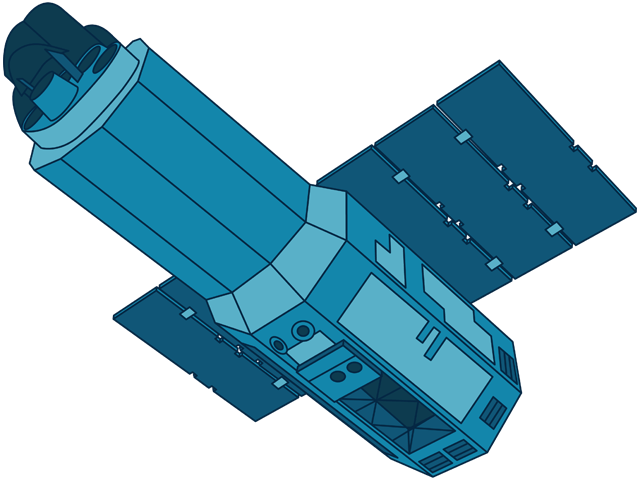

WISE/NEOWISE (Near-Earth Object Wide-field Infrared survey Explorer)
NASA’s WISE mission mapped the entire sky in infrared light. It discovered the coolest and nearest brown dwarfs (objects that aren’t quite stars and aren’t quite planets), and the most luminous galaxies in the universe. In 2013, it was renamed NEOWISE and was given a new mission to help NASA identify and study near-Earth objects (NEOs), including comets and asteroids, in our planet’s neighborhood.
Decommissioned: July 31, 2024
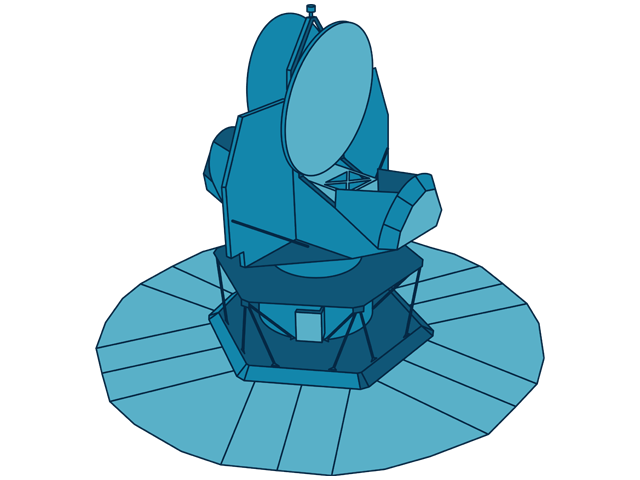
WMAP (Wilkinson Microwave Anisotropy Probe)
NASA’s WMAP spacecraft measured temperature differences across the sky in the cosmic microwave background radiation, a remnant of the big bang.
Launched: June 30, 2001
Operations ceased: August 19, 2010